


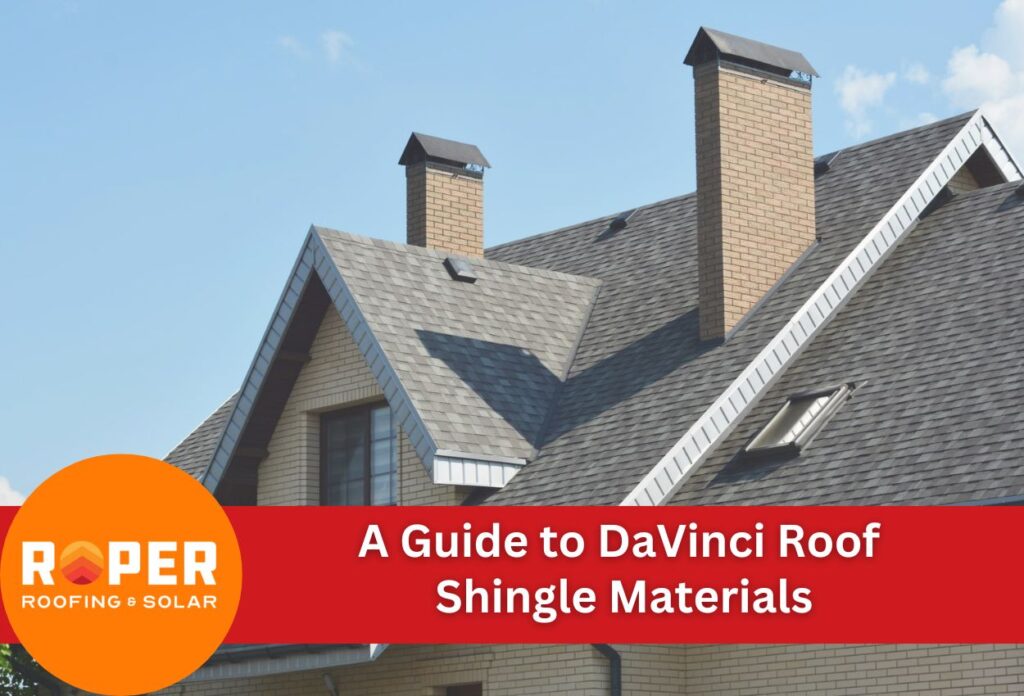
DaVinci roof shingles represent a revolutionary approach to residential roofing that combines the timeless beauty of natural materials with modern engineering excellence. These premium synthetic composite roofing materials have transformed how homeowners think about roof replacement and new construction projects.
But what are DaVinci roof shingles made of? The answer lies in a sophisticated blend of advanced polymers and engineered materials designed to replicate the appearance of slate and cedar shakes. Unlike conventional roofing products that rely on natural materials prone to weathering and decay, DaVinci composite roofing materials utilize cutting-edge synthetic shingle technology.
The polymer roofing shingle ingredients create products that resist impact damage, UV degradation, and extreme weather conditions that challenge Colorado’s Front Range properties. This innovative approach to roofing material manufacturing addresses common problems homeowners face with traditional materials, including cracking, splitting, and color fading.
The durability of DaVinci roofing materials stems from the carefully engineered composite roof shingle manufacturing process that produces lightweight yet incredibly strong roofing components. These synthetic shingles offer the curb appeal of premium natural materials without the maintenance requirements or vulnerability to environmental damage that plague conventional roofing options.
Primary Materials Used in DaVinci Composite Shingles
The foundation of DaVinci composite roofing materials begins with advanced polymer base materials that create the structural integrity of each shingle. These engineered plastics utilize high-density polyethylene and plastic resins that provide exceptional strength-to-weight ratios. The polymer roofing shingle ingredients undergo precise formulation to achieve the best possible flexibility and impact resistance while maintaining dimensional stability across temperature variations.
The composition of synthetic slate shingles incorporates specialized mineral components that enhance both performance and appearance. Titanium dioxide is a primary ingredient for UV protection, preventing color degradation and maintaining the shingle’s appearance over decades of exposure. Calcium carbonate minerals add density and improve the material’s fire resistance rating, while proprietary colorants create authentic stone and slate textures.
UV-resistant additives play an important role in the durability of DaVinci roofing materials by forming a protective barrier against solar radiation. These stabilizing compounds prevent polymers from breaking down and the color shifting that commonly affects other synthetic roofing products. The composite roof shingle manufacturing process carefully balances these mineral components with the polymer base to create shingles that can withstand Colorado’s intense UV exposure and dramatic weather fluctuations.
How DaVinci Manufacturing Creates Durable Synthetic Slate
The composite roof shingle manufacturing process transforms raw polymer ingredients into realistic-looking shingles through precision molding techniques. DaVinci’s manufacturing begins with heating the polymer base to a very specific temperature, allowing the synthetic slate shingle composition to become pliable for detailed shaping. Advanced injection molding equipment presses the heated composite material into custom molds that capture authentic textures and surface variations found in natural slate and cedar shake.
Each mold replicates specific grain patterns, surface irregularities, and dimensional characteristics that give DaVinci composite roofing materials their convincing natural appearance. The forming process applies controlled pressure and temperature cycles to ensure a uniform density throughout each shingle while preventing air pockets or structural weaknesses that could compromise its performance.
Quality control measures are set at every stage of production to maintain DaVinci’s standards. Impact resistance testing simulates hail damage, exposing sample shingles to steel balls dropped from specified heights, while UV exposure chambers accelerate weathering tests by subjecting shingles to intense artificial sunlight equivalent to decades of natural aging.
Color consistency testing and dimension verification ensure each production batch matches established standards. Temperature cycling tests expose the synthetic materials to extreme hot and cold conditions that replicate challenging climate variations. These tests validate that each shingle meets performance specifications before leaving the manufacturing facility, ensuring consistent quality for roofing installations.
Weather Resistance Properties of DaVinci Composite Materials
The exceptional weather resistance of DaVinci composite roofing materials stems directly from their advanced synthetic slate shingle composition and engineered polymer structure. These materials demonstrate remarkable stability across extreme temperature fluctuations, maintaining their dimensional integrity where traditional roofing materials often fail.
DaVinci’s composite formulation incorporates thermal stabilizers that allow shingles to withstand temperature ranges from minus 40 degrees Fahrenheit to 180 degrees without cracking or splitting. This thermal performance is essential for Colorado’s dramatic weather patterns, where daily temperature swings can exceed 50 degrees. The synthetic materials also resist freeze-thaw cycles that cause natural slate to deteriorate and crack over time.
Wind resistance capabilities built into the DaVinci roofing material durability design include enhanced fastening systems and aerodynamic profiles that reduce wind uplift. The composite roof shingle manufacturing process creates interlocking edges that distribute wind across the entire roof system rather than concentrating stress on individual shingles. Additionally, impact protection features incorporate flexible polymer chains that absorb hail energy without cracking or puncturing.
Testing demonstrates that DaVinci roof shingles are made from materials that can withstand Class 4 hail impacts and wind speeds exceeding 110 MPH. The synthetic composition eliminates moisture absorption that weakens natural materials, while UV-resistant additives prevent degradation from intense solar exposure that affects conventional composite materials over extended periods.
Environmental Benefits of DaVinci Synthetic Roofing Materials
DaVinci composite roofing materials can be recycled at the end of their lifespan, which reduces their environmental footprint compared to traditional roofing options that would otherwise occupy landfill space. This recyclability demonstrates how polymer roofing shingle ingredients can address waste reduction while creating premium building materials.
The composite roof shingle manufacturing process utilizes energy-efficient production methods that minimize carbon emissions during fabrication. DaVinci’s manufacturing facilities implement closed-loop water systems that recycle process water and reduce overall consumption, and the lightweight nature of these synthetic materials reduces transportation fuel requirements compared to natural slate. That’s before you consider that a significant amount of energy is needed in order to quarry, process, and ship natural slate to installation sites.
Long-term environmental advantages become apparent when comparing the durability of DaVinci roofing materials against traditional alternatives. Natural slate quarrying creates permanent landscape disruption and generates substantial waste, while cedar shake production requires harvesting old-growth forests that take decades to regenerate. The synthetic composition eliminates these resource extraction impacts while providing superior longevity that reduces the frequency of replacement.
Maintenance Requirements for DaVinci Composite Shingles
The synthetic slate shingle composition of DaVinci products significantly reduces maintenance needs compared to natural roofing materials. The ingredients of polymer roofing shingles resist algae growth, moss accumulation, and staining that commonly affect traditional slate and cedar shake roofs. Regular maintenance typically involves annual visual inspections and periodic cleaning with standard household detergent and water. Unlike natural materials that require specialized cleaning solutions or treatments, the composite surface responds well to pressure washing at appropriate settings.
Routine maintenance schedules for DaVinci composite roofing materials focus primarily on clearing debris from gutters and valleys rather than treating the shingles themselves. The non-porous synthetic composition prevents moisture absorption that leads to decay, cracking, and biological growth in traditional materials.
Repair considerations for DaVinci roofing material durability involve understanding the unique properties of synthetic materials. Individual damaged shingles can be replaced using standard roofing techniques, though the lightweight polymer construction requires different handling methods than natural slate. Professional roofers experienced with synthetic materials understand how the interlocking design functions and can make repairs without compromising the surrounding shingles. The consistent color and texture properties mean replacement shingles blend seamlessly with existing installations, unlike natural materials, where color matching can be challenging for repair work.
Performance Comparison Between DaVinci Materials and Natural Alternatives
Weight differences between DaVinci composite roofing materials and traditional alternatives create significant advantages for structural requirements. Natural slate typically weighs 8 to 12 pounds per square foot, while synthetic slate shingles average just 1.8 pounds per square foot. This dramatic weight reduction eliminates the need for additional roof framing reinforcement that slate installations require, reducing the complexity of the project and structural modifications. Cedar shake roofing weighs approximately 2 to 4 pounds per square foot, making DaVinci products competitive in weight while offering superior durability characteristics.
The lightweight polymer roofing shingle ingredients allow installation on structures that cannot support heavy natural materials. Older homes often require expensive structural upgrades to accommodate natural slate, while DaVinci roofing provides the same curb appeal and protection without additional framing requirements. This weight advantage proves particularly valuable for roof replacement projects where existing structures may not meet current load-bearing standards for heavy materials.
Longevity expectations for what DaVinci roof shingles are made of exceed most natural alternatives through engineered material composition. DaVinci offers lifetime limited warranties on its synthetic products, while natural slate warranties typically range from 20 to 30 years due to inherent material variability. Cedar shake installations often require replacement within 15 to 25 years due to decay, splitting, and weather damage. The composite roof shingle manufacturing process creates consistent material properties that eliminate the unpredictable failure patterns common in natural materials, providing homeowners with reliable long-term performance expectations backed by warranty coverage that includes wind resistance, impact damage, and manufacturing defects.
Discover the Durability of DaVinci Roof Shingles with Roper Roofing & Solar
If you’re considering upgrading your roofing system, understanding the materials used in products like DaVinci roof shingles is crucial. Roper Roofing & Solar specializes in high-quality DaVinci synthetic shingles that offer superior durability and curb appeal. These shingles are made from a blend of engineered polymers and UV-resistant additives, ensuring they withstand harsh weather conditions and maintain their color stability over time.
Choosing Roper Roofing & Solar means going with a roof that not only looks fantastic but is also built to last. Call us today at (720) 475-1065 to discuss your roofing needs and see how our DaVinci roofing solutions can elevate the look and resilience of your property.