


Multi Family Roofing in Lakewood, CO
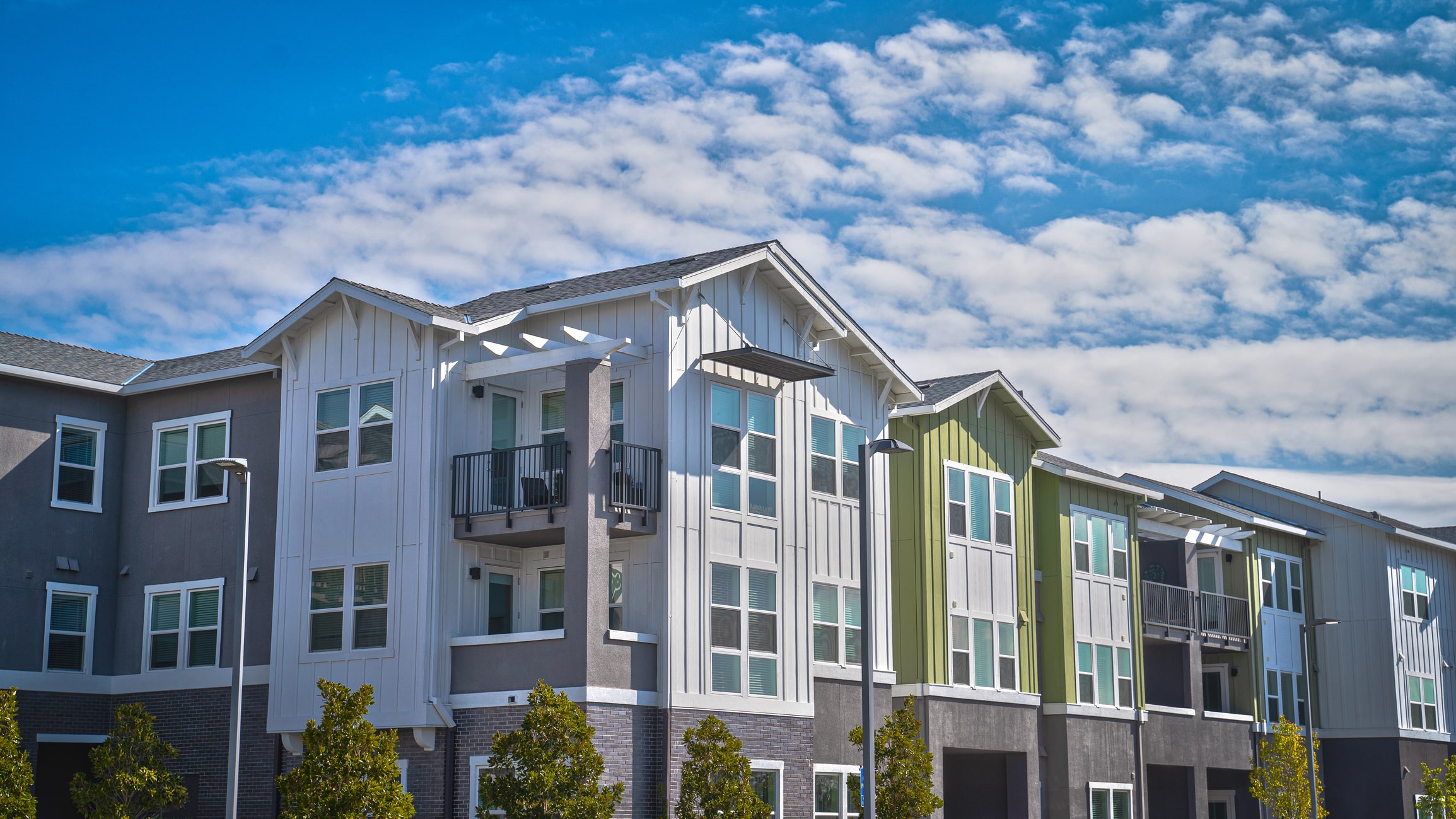
Lakewood’s location along the Front Range exposes multi-family properties to relentless weather conditions that demand durable roofing systems. With around 60 inches of snow each year, ice dams form quickly during cold snaps, threatening gutters and creating leaks that affect multiple units at once. Spring storms often deliver over 2 inches of rain in a single event, overwhelming drainage on flat or low-slope roofs common in duplexes and townhomes. Summer winds regularly reach 15 to 20 mph, stripping granules from asphalt shingles and shortening roof lifespan. Temperature changes at this elevation cause roofing materials to expand and contract constantly, leading to cracked flashing, loose fasteners, and vulnerable seams. For property managers and building owners, these conditions mean frequent inspections and proactive maintenance are essential to prevent expensive repairs and protect tenant comfort.
Professional multi-family roofing addresses these local challenges with systems designed for high-occupancy buildings. Roper Roofing & Solar understands the unique demands of Lakewood’s climate and the complexity of managing roofs that shelter multiple families. We work with property managers to evaluate drainage performance, inspect vulnerable areas after major weather events, and recommend solutions that extend roof life while minimizing disruption to residents. Our experience with local building codes and multi-unit structures ensures your property receives the protection it needs to withstand another season of unpredictable Front Range weather.
Our Multi Family Roofing Process in Lakewood, CO
Managing a multi-family roof replacement can feel overwhelming, especially when coordinating with tenants and planning around weather. Our straightforward process removes the guesswork and keeps you informed at every stage.
- Step 1: Existing Condition Inspection
We conduct a complete evaluation of your current roof system, examining membrane seams, flashing around vents and parapets, and drainage patterns. Our team identifies active leaks, wind damage, and areas where weather has compromised the structure. This inspection gives you a clear picture of what’s happening above your tenants. - Step 2: Honest Recommendation
Based on our findings, we explain whether your roof needs full replacement or if targeted repairs will extend its life. If your system has years of service left, we’ll tell you. We only recommend replacement when the existing roof can no longer protect your property reliably. - Step 3: Options, Materials, and Quote
We present material choices suited to Lakewood’s conditions, from energy-efficient membranes to wind-resistant fastening systems. You’ll receive a detailed quote that outlines the scope of work, timeline, and what to expect during installation. We discuss scheduling that minimizes tenant disruption. - Step 4: Professional Installation
Our crew executes the project with attention to tenant schedules and building access. We coordinate closely with property managers to maintain clear communication throughout installation, ensuring residents know what to expect each day. - Step 5: Quality Assurance and Walkthrough
After installation, we walk the entire roof system with you to verify workmanship and confirm drainage performance. We review what was completed and answer any questions, ensuring your investment delivers the protection your property requires.
Material Considerations for Multi Family Roofs in Lakewood, CO
Choosing the right roofing materials for your multi-family property requires understanding how Lakewood’s weather patterns affect different systems. The area’s frequent hail, strong winds, and heavy snow demand materials that can handle repeated stress without compromising the safety of your tenants. Your selection should balance durability with energy performance and budget, while meeting local code requirements specific to multi-unit structures.
- Wind-Resistant Fasteners: Regional building codes require specialized fastening systems for multi-family roofs because local gusts regularly exceed 50 mph. These fasteners anchor roofing materials more securely than standard hardware, preventing uplift and edge damage during windstorms that can expose multiple units to water entry.
- Energy-Efficient Membranes: Modern roofing membranes reduce heat absorption during summer and help control utility costs across your building. With metro area sustainability standards becoming stricter, these materials meet evolving requirements while lowering energy demands for tenants in top-floor units.
- Hail-Resistant Surfaces: Lakewood experiences 1 to 2 inch hail events several times each year. Selecting materials rated for impact resistance protects your investment and reduces the likelihood of emergency repairs after severe weather moves through the Front Range.
- Specialized Drainage Systems: Flat and low-slope roofs on duplexes and townhomes need custom drainage solutions to handle spring rains that can dump over 2 inches in a single event. Proper drainage prevents water pooling that accelerates membrane deterioration and creates leaks affecting multiple residents.
- Zoning and Code Compliance: Updated Lakewood zoning for middle housing density, including duplexes, condos, and larger apartment complexes, influences material selection and installation methods. We navigate these requirements to ensure your project meets all local standards.
Protect Your Investment in Lakewood, CO
Your multi-family property represents a significant investment that deserves roofing built to handle Front Range weather while keeping tenants comfortable and operations running smoothly. Proactive maintenance and timely replacement prevent interior water damage that disrupts residents and leads to expensive repairs across multiple units. Scheduling roofing work before winter weather arrives helps you avoid the complications of ice buildup and limited installation windows when temperatures drop. A reliable roof system maintains property value, reduces tenant turnover, and ensures your buildings meet local compliance standards as zoning for multi-unit housing continues to evolve.
Roper Roofing & Solar works with property managers and building owners throughout Lakewood to deliver roofing solutions designed for high-occupancy structures. When you’re ready to evaluate your current roof system or discuss replacement options, reach out to schedule a professional inspection. We’ll help you make informed decisions that protect your property and the families who call it home.
Frequently Asked Questions
Got questions about your roof? We’ve got answers. From maintenance tips to insurance claims and repair timelines, our FAQ section covers the most common concerns homeowners have. Get informed and make confident decisions about protecting your home.
How long does a multi family roof replacement typically take in Lakewood?
Most multi family roof replacements take between 3 to 7 days depending on building size, roof complexity, and weather conditions. Larger properties with multiple buildings or challenging access may require additional time. We coordinate closely with you to schedule work during periods that minimize tenant disruption, and we provide residents with advance notice of noise and activity times.
What factors influence the cost of replacing a multi family roof?
Several elements affect pricing, including total square footage, the number of penetrations like vents and skylights, and the type of materials you select for weather resistance. The condition of your existing roof deck and whether we need to address structural issues also impact final costs. Properties with difficult access or multiple elevation changes typically require more labor and equipment.
How should I prepare my tenants for a roof replacement project?
Notify residents at least 2 weeks before work begins so they can plan for noise and crew presence on the property. Ask tenants to move vehicles away from the building perimeter and secure or cover outdoor furniture and grills near work zones. We recommend informing residents that vibrations may occur during tear-off, and they should secure wall-mounted items inside their units to prevent rattling or shifting.