

Determining whether you should get new siding requires careful attention to warning signs that indicate your home’s exterior protection has deteriorated. Many homeowners overlook subtle damage until expensive problems develop, making it essential to recognize when siding replacement becomes necessary.
Signs you need new siding often appear gradually but become more obvious during seasonal weather changes. Warped boards, persistent moisture problems, and increasing energy bills frequently signal that your current siding no longer provides adequate protection. Peeling paint that returns shortly after repainting, visible cracks, or loose panels also indicate potential replacement needs.
Denver’s challenging climate creates unique conditions that accelerate siding deterioration. Intense UV exposure during summer months, combined with dramatic temperature swings between seasons, causes expansion and contraction that weakens siding materials over time. Hailstorms common to the Front Range area can create immediate damage that compromises your home’s weather barrier, while winter freeze-thaw cycles exploit existing vulnerabilities.
When to replace siding depends on both visible damage and the age of your current materials. Most siding materials show significant wear after 15 to 20 years, though severe weather events can shorten this timeline considerably. Understanding these factors helps homeowners make informed decisions about protecting their property investment before minor issues become major expenses.
Warning Signs Your Siding Needs Immediate Replacement
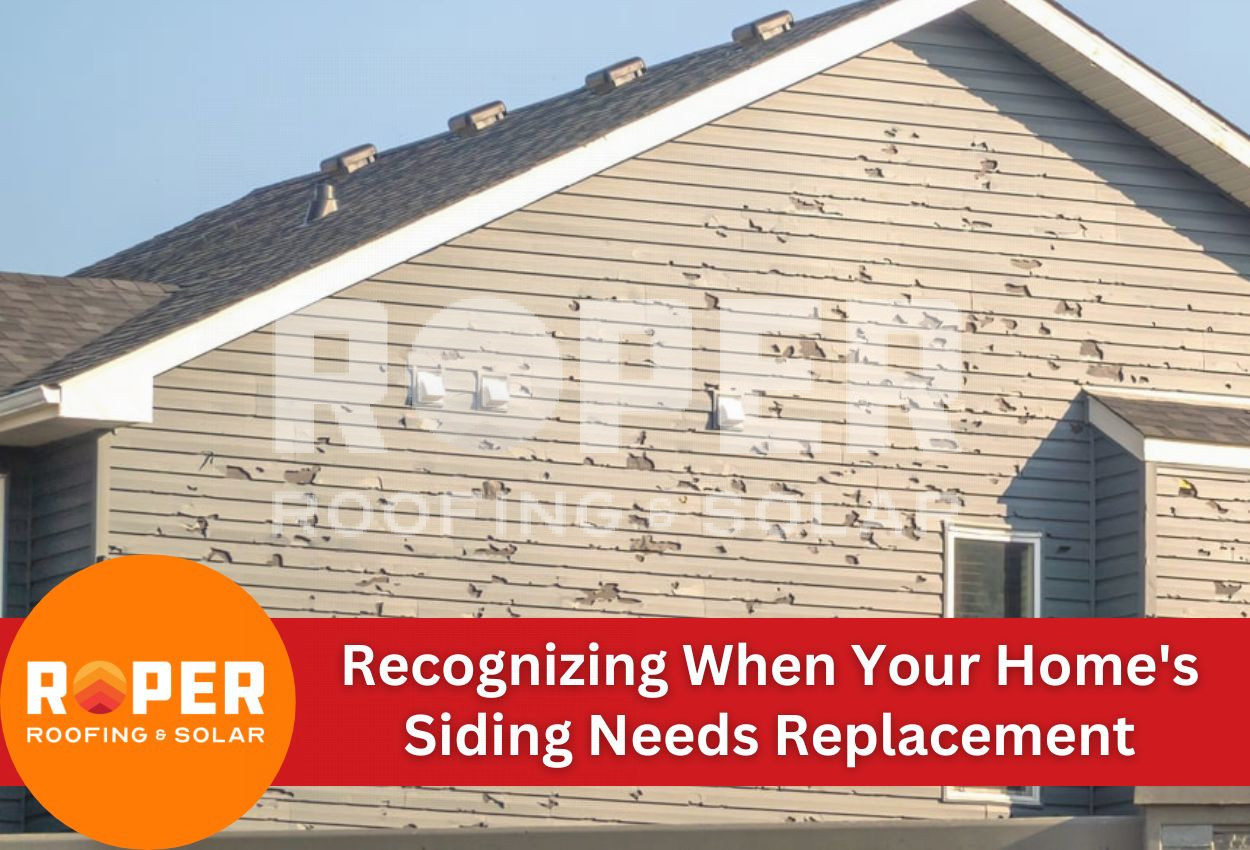
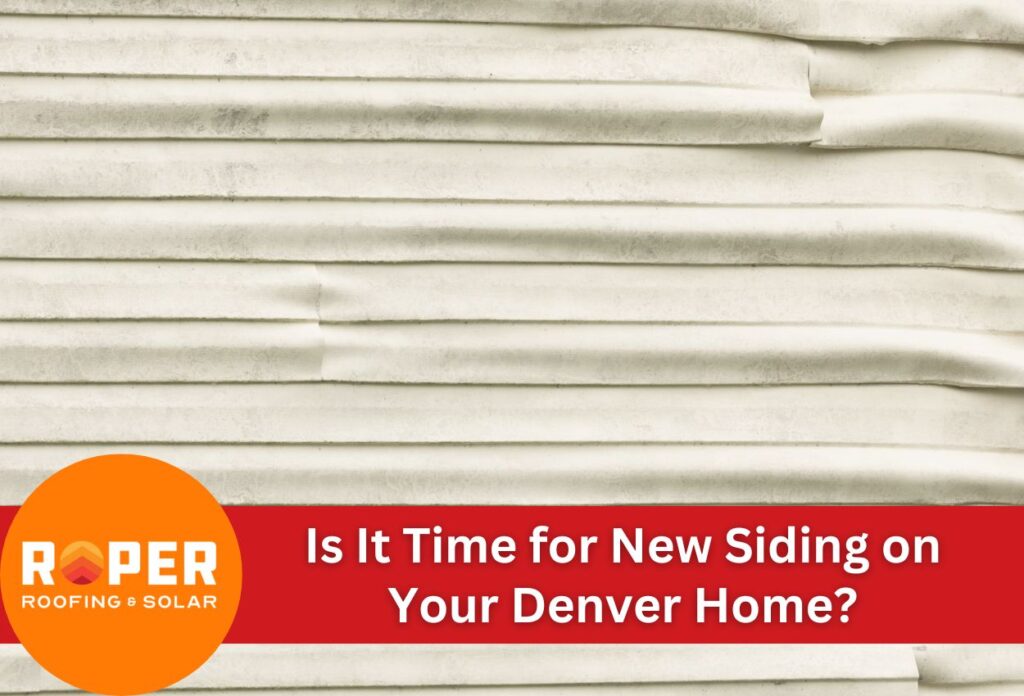
Recognizing the indications of damage can help homeowners understand when to replace siding before structural problems threaten their property. Visual signs you need new siding include warped or buckled panels that pull away from the home’s exterior, indicating moisture infiltration or foundation settling. Rotting wood sections, particularly around windows and doors, signal that water has compromised the structural integrity of your siding system.
Loose or missing panels create vulnerabilities that allow leaks to form, leading to interior damage and increased repair costs, and cracks that appear small initially often expand during Denver’s freeze-thaw cycles, creating larger openings for moisture and pests. Paint that bubbles, chips, or fades excessively may indicate underlying material deterioration rather than simple cosmetic issues.
Energy efficiency problems frequently accompany visual siding damage and provide strong reasons why homeowners should get new siding. Rising utility bills without corresponding usage increases often indicate that compromised siding allows conditioned air to escape while permitting outside temperatures to affect interior comfort. Drafts felt near exterior walls or cold spots that appear during winter months suggest gaps in your home’s thermal barrier.
Interior signs like water stains on walls, unexplained humidity increases, or mold growth near exterior walls often trace back to failing siding systems that no longer protect against moisture intrusion.
Key Benefits of Installing New Siding
Installing new siding delivers significant advantages that extend well beyond basic weather protection, making it one of the most valuable home improvement investments available. Siding replacement benefits encompass both immediate improvements and long-term financial returns that enhance homeowner satisfaction and property performance.
Energy efficiency improvements represent the most impactful benefit of modern siding installation. Insulated vinyl and fiber-cement options provide enhanced R-values compared to older materials, preventing conditioned air loss while blocking outdoor temperature extremes from affecting interior comfort levels.
New siding installation eliminates air gaps and thermal bridges that develop as existing materials age and deteriorate. This enhanced weather sealing translates directly into lower monthly utility expenses, with many homeowners experiencing 15% to 20% reductions in energy consumption after completing siding replacement projects.
Property value enhancement makes siding replacement one of the highest-return exterior renovations available to homeowners. Real estate professionals consistently identify quality siding as a primary factor in buyer decision-making, with updated exterior materials often recovering 75% to 85% of installation costs at resale.
Enhanced curb appeal transforms your home’s appearance while providing practical protection against weather damage. Modern types of siding materials offer improved durability, fade resistance, and maintenance requirements compared to traditional options, ensuring your investment maintains its visual appeal and protective capabilities for decades.
Popular Siding Material Options for Denver Homes
Choosing the right types of siding materials requires understanding how different options perform under Colorado’s demanding weather conditions. Each material offers distinct advantages that address specific homeowner priorities, from maintenance requirements to aesthetic preferences and long-term durability expectations.
Vinyl siding represents the most popular choice for Denver area homes due to its exceptional resistance to temperature fluctuations and moisture exposure. This material withstands hail impact better than many alternatives while requiring minimal upkeep throughout its lifespan. Vinyl’s color-through construction prevents fading from intense UV exposure, maintaining its appearance without regular painting or staining requirements.
Modern vinyl siding systems include insulated backing options that enhance energy efficiency while providing superior weather protection. The material’s flexibility allows it to expand and contract with temperature changes without cracking, making it particularly well-suited for Colorado’s dramatic seasonal variations. Professional installation ensures proper ventilation and moisture management that prevents common problems associated with cheaper vinyl products.
Fiber-cement siding offers premium durability with a natural wood appearance that appeals to homeowners seeking traditional looks. This composite material resists fire, insects, and rot while providing excellent impact resistance against hail damage. Though requiring periodic painting, fiber cement delivers exceptional longevity that often exceeds 30 years with proper maintenance.
Wood siding options like cedar and pine provide classic appeal but demand regular maintenance to prevent moisture damage and insect intrusion in Denver’s climate conditions.
Perfect Timing for Your Siding Replacement Project
Selecting the optimal timing for siding replacement significantly impacts project success, contractor availability, and overall costs. Denver’s distinct seasonal patterns create specific windows when siding installation conditions align favorably with weather requirements and professional scheduling demands.
Late spring through early fall represents the ideal timeframe for siding installation in the Denver metropolitan area. May through September typically provides the most consistent weather conditions, with minimal precipitation and moderate temperatures that facilitate proper material handling and installation techniques. These months offer extended daylight hours that allow contractors to complete more work per day while avoiding weather delays that extend project timelines.
Summers are peak seasons for contractors, requiring homeowners to schedule projects well in advance to secure preferred installation dates. Early spring booking often provides better scheduling flexibility and potentially more competitive pricing as contractors prepare for busy season demand. Late fall installations remain possible but carry an increased risk of weather interruptions that can delay completion.
Coordinating siding replacement with complementary home improvement projects maximizes efficiency while minimizing disruption to daily routines. Scheduling siding installation alongside window replacement, exterior painting, or roofing work allows contractors to address multiple exterior needs simultaneously. This coordination often reduces overall labor costs while ensuring consistent material quality and workmanship standards across related projects. Planning multiple exterior improvements together also streamlines permit requirements and inspection processes that accompany major home renovations.
What You Should Expect During A Professional Siding Installation
Understanding the siding installation process helps homeowners prepare for their project and set realistic expectations about the timeline and disruption levels. Professional siding replacement follows established procedures that ensure quality results while protecting your property throughout the installation period.
The process begins with a comprehensive assessment where contractors evaluate existing siding condition, measure all surfaces, and identify structural concerns that require attention. This initial inspection determines material quantities needed and reveals any underlying damage that could affect installation quality. Contractors examine window and door trim, foundation interfaces, and roofline connections to ensure proper integration with new siding materials.
Removal of existing siding typically requires one to two days for average-sized homes, depending on material type and accessibility challenges. Professional crews carefully strip old materials while protecting landscaping, windows, and other exterior features from debris damage. This phase often reveals moisture damage or insulation issues that weren’t visible during the initial assessment, potentially requiring additional repairs before the new installation begins.
Installing new siding materials follows systematic procedures that ensure proper alignment, spacing, and weather sealing. Experienced contractors work methodically across each surface, maintaining consistent spacing while integrating flashing around windows, doors, and trim elements. Quality installations include vapor barriers and proper ventilation channels that prevent moisture problems behind the new siding system.
Timeline expectations typically range from three to seven days for complete installation, though weather conditions and project complexity can extend this schedule significantly.
Making the Final Decision About New Siding
Reaching the decision about whether to proceed with siding replacement requires weighing financial investment against the long-term benefits your home will receive. A thorough cost versus benefit analysis considers factors beyond immediate expenses, including energy savings, maintenance reduction, and property value enhancement that quality siding provides over its lifespan.
Energy efficiency improvements often justify siding replacement costs through reduced monthly utility bills that accumulate substantial savings over time. Modern siding materials with enhanced insulation properties can decrease heating and cooling expenses by significant percentages, creating ongoing financial returns that help offset initial investment requirements. These efficiency gains become particularly valuable during Denver’s extreme temperature seasons when older siding allows substantial energy loss.
Maintenance cost reductions represent another significant financial benefit when evaluating siding replacement benefits. New materials eliminate recurring expenses associated with painting, caulking, and repair work that aging siding systems require. Premium siding options often include warranties that protect against material defects and weather damage, reducing unexpected maintenance expenses that can strain household budgets.
Property value enhancement provides the strongest financial justification for siding replacement, with quality installations typically recovering substantial portions of their investment at resale. Real estate professionals consistently identify updated siding as a key factor that influences buyer interest and final sale prices. This return on investment makes siding replacement one of the most financially sound home improvement decisions available to property owners seeking to enhance their investment value.
Enhance Your Denver Home with Roper Roofing & Solar
the end of its lifespan, don’t wait for the problem to get worse. Protecting your home from Denver’s unique weather conditions starts with robust, high-quality siding. Whether it’s cracking, warping, or increased energy bills, these issues can escalate quickly, leading to more significant damage and higher costs.
At Roper Roofing & Solar, we specialize in providing top-tier siding solutions tailored for the harsh Denver climate. Choosing the right siding material not only boosts your home’s curb appeal but also enhances its energy efficiency, ultimately saving you money on utility bills. Don’t let another storm season pass without ensuring your home’s exterior is sturdy and secure.
Ready to discuss your siding options or schedule an inspection? Call us today at (720) 475-1065 to ensure your home stays protected year-round with the best siding replacement services in Denver. If you’re noticing any of the important signs discussed that indicate your siding may be nearing