

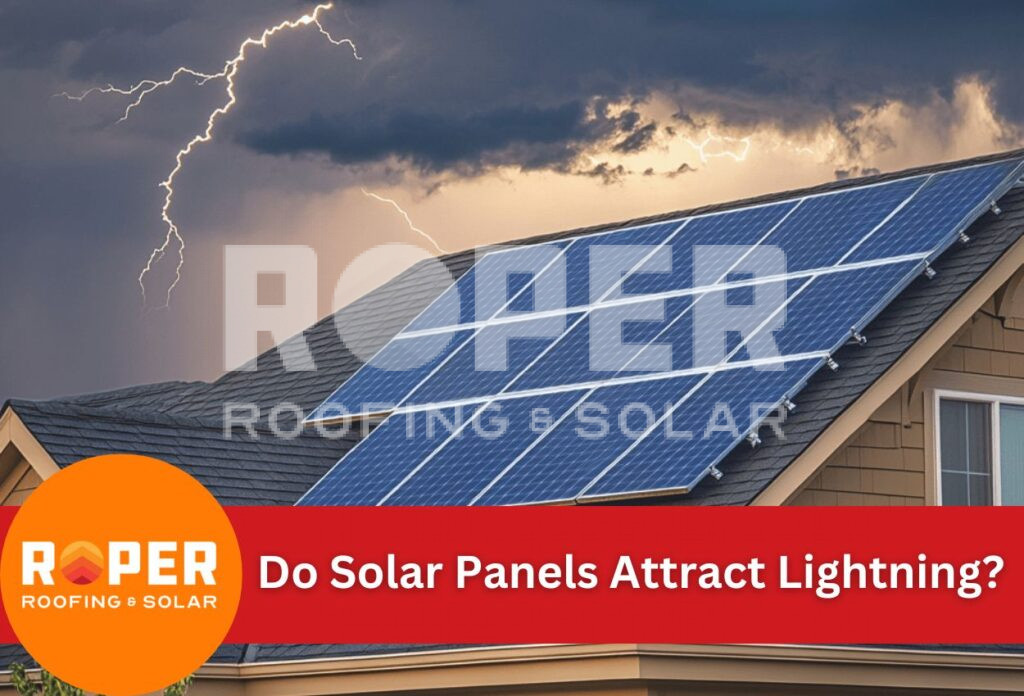
As the popularity of renewable energy solutions like solar panels continues to grow, some homeowners and businesses may wonder about the potential risks associated with their installation. A common concern is whether solar panels increase the likelihood of a lightning strike. This arises from the belief that the metal components and elevated positioning of rooftop solar panels could attract lightning, posing a risk of property damage or safety hazards.
To address this worry, it is important to understand the scientific principles behind lightning and the materials used in solar panels. Lightning is a natural electrical phenomenon that occurs due to charge imbalances between storm clouds and the earth’s surface, or within clouds. The question then is whether solar panels attract the charge or if they have the same likelihood of getting struck as any other structure.
Knowing the chances of solar panel lightning strikes and the role of safety measures, such as lightning protection systems and effective grounding, can help homeowners make informed decisions. Understanding how to handle these risks is essential for those considering solar power, especially in areas with frequent thunderstorms, as the safety of these energy solutions is crucial to their reliability.
Understanding Lightning and Solar Panel Interactions
Lightning is an atmospheric discharge of electricity that often occurs during thunderstorms and is influenced by various factors including geographical location and topographical features. When it comes to solar panels, many homeowners wonder if their installation increases the likelihood of attracting lightning. This concern is crucial, especially considering the investment and safety implications of rooftop solar installations.
Solar panels themselves are made from materials such as silicon, glass, and metal framing. These components do not inherently attract lightning, but their placement might influence strike risks. Typically, lightning seeks a path to the ground via the tallest object in an area. Therefore, when solar panels are installed on a roof if they are the highest point in the area, they might be more likely to be struck by lightning. However, this does not mean that solar panels increase lightning risk overall.
For homeowners and businesses in areas like Denver, where thunderstorms are relatively common, installing lightning protection systems for rooftop solar panels is essential. These systems work by providing a direct path for the lightning to travel safely to the ground, protecting the structure and the solar installation. Grounding solar panels is also crucial, as it minimizes the impact of any electrical surges caused by lightning, preserving the longevity and safety of the solar power system.
Importance of Grounding Solar Panels Against Lightning
Proper grounding in solar panel installations can help maintain the safety and durability of the system by lowering the risks associated with lightning strikes. Grounding involves creating a safe path for electricity to travel to the ground, which can prevent damage during electrical surges caused by lightning.
Grounding techniques are specifically designed to protect the electrical components and the structure of the building. In the event of a lightning strike, the grounding system helps to dissipate the electrical charge safely into the earth, reducing the risk of fire, equipment damage, or other safety hazards. This is especially important in areas prone to thunderstorms, such as Denver, where the likelihood of lightning activity is higher.
Installing effective lightning protection systems with proper grounding is necessary for all rooftop solar panel installations. These systems ensure the home or business is not directly impacted by the electrical force of a lightning strike. By safely managing this energy, grounding systems help maintain the functionality and efficiency of the solar panels, while also protecting the property and its occupants.
Lightning Protection Systems for Rooftop Solar Panels
When integrating solar panels onto a rooftop, home and business owners should consider adding lightning protection systems. There are multiple types of lightning protection systems available, each designed to lower the risk of damage from a lightning strike. These typically include lightning rods, conductive cables, and grounding systems which work together to divert the electrical discharge safely into the ground.
Lightning rods are made of metal and installed on the roof to attract strikes and safely channel energy downward. Conductive cables connect the rod to the ground, guiding the electrical charge away from the roof and solar panels. Grounding systems disperse the energy into the earth, preventing damage to electrical components. Together, these systems reduce fire risks, protect solar panels, and ensure the safety of the home’s occupants during lightning strikes.
For homeowners and businesses in Denver considering solar installations, installing lightning protection is very important. By addressing the solar panel lightning strike risk and understanding the importance of grounding solar panels against lightning, property owners can protect their renewable energy assets against the forces of nature.
The Impact of Lightning on Solar System Performance and Longevity
Lightning strikes can have a major impact on the operational efficiency of solar panels. When a lightning strike occurs, the immense electrical surge can damage the photovoltaic cells within the panels or the electronic systems connected to them. This can result in decreased efficiency or, in severe cases, complete system failure. Solar system owners, especially in areas prone to frequent thunderstorms like Denver, CO, should understand these risks and implement protective measures like the ones discussed above.
In the long term, repeated exposure to lightning can degrade the materials and electrical components of solar systems. Over time, even minor lightning-induced surges can accumulate, leading to a gradual but significant reduction in the system’s performance and lifespan. Addressing these issues often involves installing specialized lightning protection systems and properly grounding all components. These measures not only protect the solar panels but also preserve their functionality and extend their operational life, ensuring sustained performance despite environmental challenges.
How to Inspect Solar Panels for Lightning Damage
Lightning strikes can cause major damage to solar panels or even ruin the entire system. Regular inspections after storms can spot potential issues early, maintaining the efficiency and longevity of your solar power system.
After a storm, visually inspect your solar panels for scorch marks, cracks in the glass, or discolored areas. Burn marks around the junction box or wiring indicate possible electrical damage. Check your inverter display for error messages or abnormal readings, as these may signal performance issues caused by a lightning strike.
If you notice any of these signs, contact a professional solar technician immediately. They have the tools and knowledge to assess the system safely and recommend repairs. Professionals can also check for hidden damage that might not be visible during a basic inspection.
It’s important to remember that working on solar panels without proper training is dangerous. High voltage from the panels, slippery surfaces, and potential roof hazards pose serious risks to homeowners. Attempting repairs or inspections without the right tools can lead to injury or further damage to your system.
By inspecting your solar panels regularly and contacting professionals for help when needed, your system will remain safe and efficient, even throughout Denver’s storm season.
Solar Panel Lightning Protection From Roper Roofing & Solar
Concerned about the impact of lightning on your solar system? Protect your investment and your family’s safety with expert lightning protection from Roper Roofing & Solar. Our team specializes in safeguarding rooftop solar panels against lightning strikes, providing peace of mind for homeowners in Denver, CO, and beyond. Don’t leave your solar system vulnerable to potential damage – call (720) 475-1065 to schedule a consultation and fortify your solar panels with industry-leading lightning protection solutions.