

How to Know if Solar Panels Need Replacement: Signs and Assessment Guide
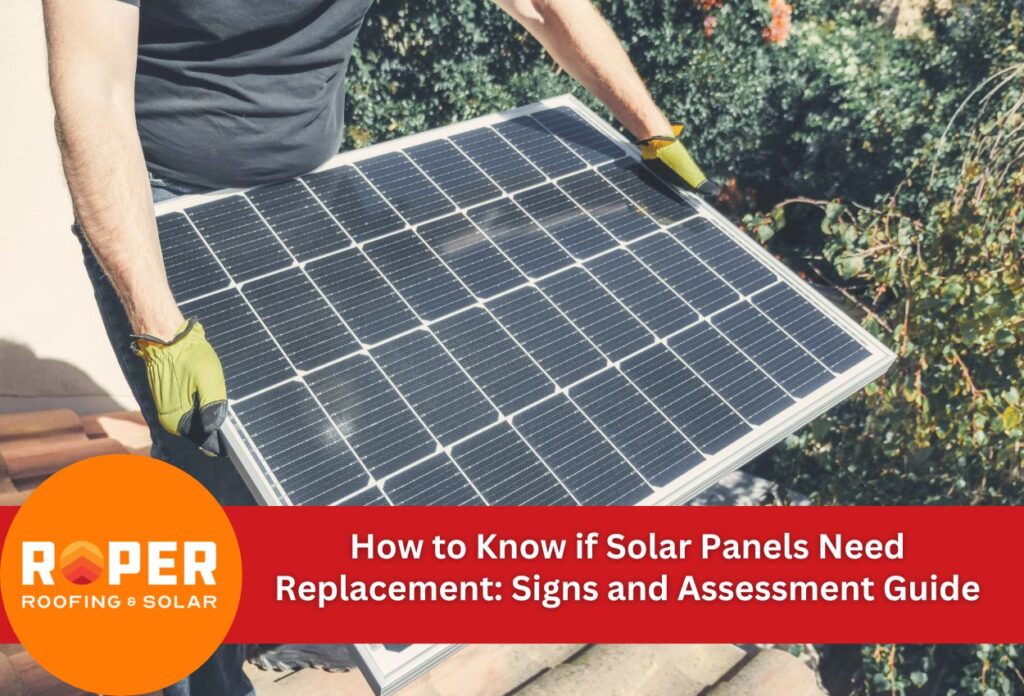
Solar panels are built to withstand decades of exposure to harsh weather conditions, but they don’t last forever. Understanding how to know if solar panels need replacement can save homeowners from energy losses and potential safety hazards. Most solar installations have a lifespan of 25 to 30 years, though performance issues may arise much earlier.
A solar panel’s decline in efficiency often happens gradually, making it difficult to notice without careful monitoring. Damaged solar panels may continue generating some electricity while operating well below their intended capacity. Even minor damage can significantly impact energy production, turning what should be a money-saving investment into an underperforming system.
Recognizing the warning signs early allows property owners to address solar panel performance issues before they result in complete system failure. Physical deterioration, unexpected drops in energy output, and inconsistent power generation all signal potential problems that require immediate attention. Regular solar panel maintenance helps identify these concerns, but certain symptoms indicate that repairs may no longer be sufficient.
A professional assessment becomes essential when multiple warning signs appear simultaneously or when performance metrics show substantial declines over consecutive months. Identifying these red flags protects both your investment and ensures continued savings from your solar installation.
Understanding Solar Panel Lifespan and Expected Performance Decline
Most solar panels come with manufacturer warranties spanning 20 to 25 years, though their actual lifespan typically extends beyond 30 years with proper care. During this time, panels experience gradual performance degradation as a natural part of their aging process. Understanding normal decline patterns helps homeowners distinguish between expected wear and concerning solar panel performance issues.
Industry standards indicate healthy panels should experience a decline in efficiency at approximately 0.5% to 0.8% annually. This means a panel producing 300 watts initially should still generate around 240 to 255 watts after 25 years of operation. Degradation exceeding this average often suggests accelerated aging or underlying problems that warrant professional evaluation.
Damaged solar panels often have performance drops that exceed normal degradation rates. While gradual efficiency loss occurs naturally through exposure to ultraviolet radiation and thermal cycling, sudden, significant drops within a single year typically indicate physical damage, electrical failures, or manufacturing defects. These abnormal declines signal potential safety hazards and financial losses from reduced energy production.
Regular maintenance and performance monitoring help identify when systems transition from normal aging to problematic decline. Homeowners should track monthly energy output and compare current performance against historical data to spot concerning trends before complete failure occurs.
How to Measure and Monitor Solar Panel Energy Output
Tracking solar panel performance requires consistent monitoring of energy production data to identify when systems underperform. Most modern solar installations include monitoring software that tracks daily, monthly, and annual energy output, making it easier to spot a decline in efficiency over time. These digital tools provide real-time data about individual panel performance and overall system health.
Utility bills offer another valuable method for assessing solar panel performance. Comparing monthly energy credits and consumption patterns against previous years reveals significant changes in production capacity. When solar systems consistently generate less energy than expected, this indicates potential problems requiring investigation.
Homeowners should establish baseline performance metrics during the first year of operation to create accurate comparison standards. Recording peak production months, seasonal variations, and weather-related impacts helps distinguish between normal fluctuations and concerning performance trends. Sudden drops compared to similar periods in previous years often signal damaged solar panels or system malfunctions.
Professional monitoring services can detect subtle changes in individual panel output that standard monitoring systems might miss. These advanced assessments compare current energy production against manufacturer specifications and identify underperforming panels before they impact overall system efficiency. Regular performance analysis helps determine if solar panel maintenance can restore optimal function or if replacement is necessary to maintain energy savings.
Common Types of Solar Panel Damage That Require Replacement
Weather-related damage represents one of the most frequent causes of solar panel failure. Hailstorms create micro-cracks and surface damage that may not be immediately visible but significantly reduce energy production over time. These impacts compromise the protective glass layer, allowing moisture in that leads to corrosion and electrical failures within the panel cells.
Wind damage often affects mounting systems and panel edges, causing structural stress that creates hairline fractures throughout the photovoltaic cells. Extreme temperature fluctuations contribute to thermal expansion and contraction cycles that weaken solder connections and cause delamination between panel layers. When solar panels experience multiple weather-related impacts, replacement is often the only solution.
Electrical failures are another category of damage requiring panel replacement rather than simple repairs. Inverter malfunctions can send power surges through panels, destroying internal circuitry and rendering entire sections inoperable. Wiring problems within junction boxes often create hot spots that burn through protective backing materials and damage surrounding cells beyond repair.
Structural mounting failures place additional stress on panels and can crack frames and damage electrical connections. When solar panel performance issues stem from multiple electrical or mechanical problems simultaneously, replacement becomes more cost-effective than attempting extensive repairs.
Benefits of Professional Solar Panel Inspection and Assessment Services
Scheduling professional solar panel inspections every few years helps identify potential problems. Certified technicians possess specialized equipment and expertise to detect issues that standard monitoring systems cannot reveal. These evaluations examine electrical connections, structural integrity, and performance metrics to determine whether repair or replacement offers the best solution.
During professional assessments, technicians use thermal imaging cameras to identify hot spots and electrical irregularities that indicate damaged solar panels. They measure individual panel output, inspect mounting hardware, and evaluate inverter performance to create complete system health profiles. These detailed examinations reveal micro-cracks, moisture infiltration, and connection problems that contribute to declining efficiency over time.
Understanding inspection reports requires familiarity with technical terminology and performance benchmarks. Professional assessments include detailed analyses of energy output data, physical condition ratings, and cost-benefit comparisons for various remediation options. When multiple panels show signs of deterioration or when repairs would exceed 30% of replacement costs, technicians typically recommend complete system upgrades.
Solar panel performance issues identified during professional inspections come with prioritized repair schedules and expected lifespan projections. These reports help homeowners decide whether investing in repairs will provide sufficient returns or if replacement ensures better long-term value and energy production reliability.
Maintenance Practices That Extend Solar Panel Life and Delay Replacement
Proper solar panel maintenance significantly extends system lifespan and helps homeowners avoid premature replacement costs. Regular cleaning removes dirt, debris, and mineral buildup that reduces energy production and creates conditions for long-term damage. Simple maintenance routines can prevent major solar panel performance issues that require expensive repairs or complete replacement.
Cleaning involves removing leaves, bird droppings, and accumulated dust that blocks sunlight from reaching photovoltaic cells. Most panels benefit from gentle washing with water and soft brushes every six months, though frequency depends on local environmental conditions. Areas with heavy pollution, dust storms, or frequent bird activity require more frequent cleaning to maintain optimal energy production and prevent permanent staining or damage.
Visual inspections during cleaning help identify early warning signs of deterioration before they impact system performance. Homeowners should look for cracked glass, loose mounting hardware, corroded connections, and discolored areas that indicate damaged solar panels.
Preventive maintenance strategies include trimming nearby vegetation that creates shade or drops debris onto panels. Monitoring inverter displays and performance data regularly helps detect solar panel decline early when corrective actions are still an option. These approaches maximize the panels’ lifespan and energy production.
Making the Replacement Decision and Next Steps for Solar Panel Owners
Determining whether to pursue partial panel replacement or complete system replacement requires considering the system’s age, existing damage, and long-term energy goals. When individual panels show signs of failure while the majority remain functional, selective replacement often provides the most cost-effective solution. However, systems experiencing a widespread decline in efficiency may benefit from complete upgrades that ensure uniform performance and extended operational life.
Property owners should consider the age differential between existing panels and replacement units when making these decisions. Installing new panels alongside aging components can create performance mismatches that reduce overall system efficiency. Solar panel performance issues affecting more than 30% of an installation typically warrant full system replacement to maintain optimal energy production and avoid future compatibility problems.
Working with qualified roofing and solar professionals ensures proper project planning and installation that protects both the roof and electrical systems. These experts assess structural capacity, evaluate mounting requirements, and coordinate installations that minimize disruption to existing roof systems. Professional contractors understand local building codes and permit requirements essential for safe, compliant solar installations.
The replacement process involves comprehensive roof inspections to verify structural integrity before installing new equipment. Damaged solar panels often indicate underlying roof problems that require attention during replacement projects. Coordinating roof repairs with solar installations prevents future access issues while ensuring both energy systems and building structures are protected and provide decades of reliable service.
Expert Solar Panel Replacement Services in Denver
If you’ve noticed any signs of wear, such as cracking, discoloration, or a drop in energy output from your solar panels, it might be time to consider a system replacement. At Roper Roofing & Solar, we specialize in assessing and replacing damaged or aging solar panels. Don’t let compromised panels affect your energy independence and savings.
Our certified technicians can provide a thorough inspection and help you determine whether a full system replacement or partial panel replacement is necessary based on performance trends and visual inspections.
For professional advice and superior service, call Roper Roofing & Solar today at (720) 475-1065 and ensure your solar system continues to perform optimally for years to come.