

Stone-Coated Steel vs. Metal Roof Durability: Which Lasts Longer?
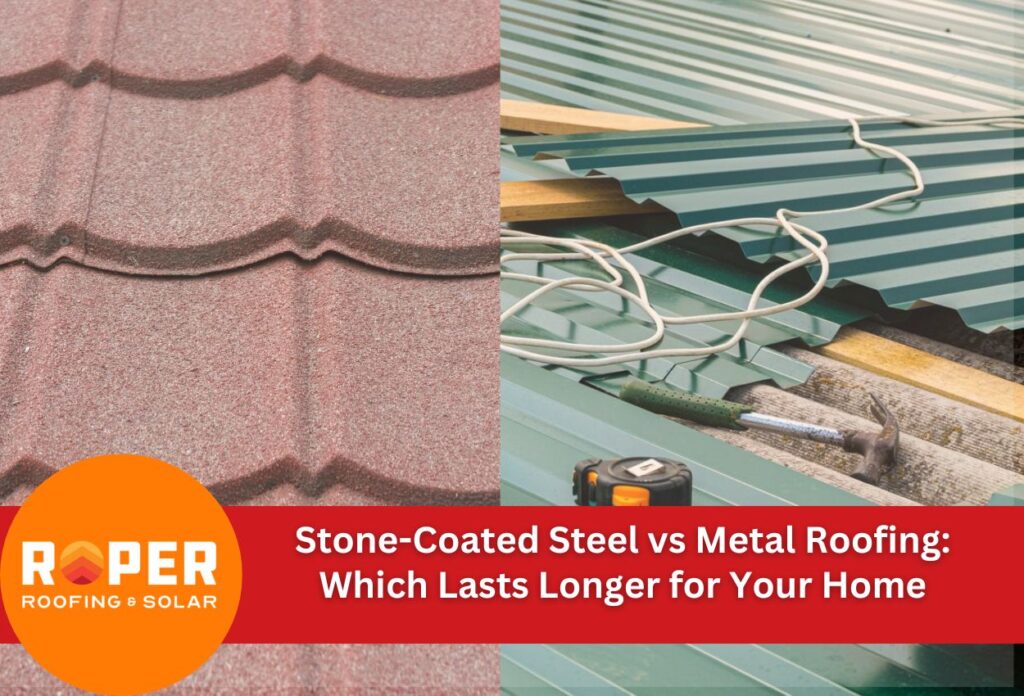
Choosing the right roofing material can feel overwhelming. Stone-coated steel and traditional metal roofing systems both promise long-lasting protection, but understanding their differences helps homeowners make smarter decisions about roof longevity and overall value.
The lifespan of a stone-coated steel roof typically ranges from 40 to 70 years, which is very similar to conventional metal roofs that last up to 70 years, depending on the specific material. These variations exist because each roofing type handles weather conditions differently and is made with distinct manufacturing processes that affect its lasting power.
Steel roof weather resistance is a crucial factor when comparing these options. Stone-coated steel combines the strength of steel with a protective stone chip coating that shields against hail, wind, and UV damage. Traditional metal roofing materials like aluminum, copper, or galvanized steel each bring their own benefits, but respond differently to environmental challenges over time.
Several roof durability factors influence how long these materials actually perform in real-world conditions. Installation quality, climate exposure, maintenance practices, and metal roofing material differences all determine which option delivers better long-term performance. Understanding these elements helps homeowners evaluate stone-coated steel vs. metal roof durability for their specific situation and location.
Understanding Stone-Coated Steel Roof Construction and Benefits
Stone-coated steel roofing systems combine multiple protective layers to create a robust cover for your home. The manufacturing process begins with a galvanized steel base, which receives an aluminum-zinc alloy coating for corrosion protection. Manufacturers then apply an acrylic basecoat before embedding natural stone granules into the surface and sealing everything with a clear protective topcoat.
This layered construction provides superior weather resistance compared to exposed metal surfaces. The stone chip coating acts as a barrier against UV rays, hail impact, and thermal expansion while reducing noise from rain and wind. The stone granules also prevent the metal substrate from direct exposure to moisture and temperature fluctuations.
A stone-coated steel roofing system’s lifespan typically extends 40 to 70 years due to this multi-layer protection system. The galvanized steel core resists rust and structural degradation, while the stone coating maintains its appearance and protective qualities throughout decades of exposure.
Several roof durability factors make stone-coated steel particularly resilient. The material maintains structural integrity in extreme temperatures, resists cracking from thermal cycling, and provides consistent protection against wind uplift. This strength results from the engineered combination of steel and the stone coating working together as an integrated system.
Traditional Metal Roofing Materials and Their Durability Characteristics
Aluminum roofs stand out among traditional metal options for their exceptional corrosion resistance and lightweight properties. This material typically lasts 40 to 70 years in most climates, making it a strong contender in any metal roof longevity comparison. Aluminum naturally forms a protective oxide layer that prevents rust, though it can be susceptible to denting from severe hail or falling debris.
Steel roofing materials offer excellent structural strength but require protective coatings to achieve optimal weather resistance. Galvanized steel roofs generally last 30 to 50 years, while Galvalume-coated steel can extend this lifespan to 60 years or more. The zinc and aluminum coatings provide an essential barrier against moisture and oxidation that would otherwise compromise the steel substrate.
Copper roofs are the premium end of traditional metal roofing materials, with lifespans often exceeding 100 years. This material develops a natural patina over time that protects against corrosion while creating the distinctive green appearance seen on historic buildings. However, copper requires careful installation to prevent galvanic corrosion when in contact with other metals.
Several roof durability factors influence how these materials perform over decades of service. Climate conditions, installation quality, and maintenance practices significantly impact how long both stone-coated steel and traditional metal options last. Proper ventilation, regular inspections, and prompt repair of any coating damage help maximize the investment value of any metal roofing system, regardless of the specific material chosen.
Weather Resistance in Harsh Conditions
Stone-coated steel generally shows better performance in extreme weather conditions compared to bare metal roofing systems. The embedded stone granules create a protective shield that absorbs hail impact energy, reducing the likelihood of dents and surface damage that commonly affect exposed metal surfaces. Wind resistance testing shows stone-coated steel maintains its grip strength and panel integrity even during severe storms with sustained high winds.
Temperature fluctuations can be challenging for metal roofing materials, but stone-coated steel handles thermal cycling more effectively than traditional bare metal options. The stone coating provides insulation that reduces thermal expansion and contraction rates, preventing the stress fractures and fastener loosening that can compromise roof durability over time. This thermal stability contributes directly to an extended lifespan.
Rust and corrosion protection varies significantly between roofing types, with stone-coated steel offering multiple layers of defense. The stone granule coating blocks moisture while the underlying galvanized steel substrate resists oxidation. Bare metal roofing panels rely solely on factory-applied coatings that can chip, scratch, or wear thin over time, exposing the base metal to corrosion risks that reduce weather resistance.
UV damage poses a constant threat to roofing materials, but affects these systems differently. Stone-coated steel granules provide natural UV protection that maintains color stability and prevents coating degradation. Traditional metal roofs often experience paint fade, chalking, and coating breakdown from prolonged sun exposure, which accelerates the aging process.
Maintenance Requirements That Affect Long-Term Durability
Stone-coated steel roofs require minimal regular maintenance to preserve their protective qualities and maximize their lifespan. Annual inspections should focus on checking for loose granules around roof penetrations, examining flashing, and clearing debris from gutters and valleys. Small areas where granules may have loosened can be addressed with manufacturer-approved touch-up materials before moisture reaches the steel substrate.
Regular cleaning helps maintain a roof’s weather resistance by preventing the accumulation of organic matter that can retain moisture against the surface. Gentle washing with water and mild detergent removes dirt, moss, and algae without damaging the stone coating. Professional inspection every three to five years ensures that fasteners remain secure and identifies potential issues before they compromise the roof system’s integrity.
Traditional metal roofs need more frequent attention to protective coatings and surface conditions. Bare metal surfaces require repainting or recoating every 10 to 20 years, depending on climate exposure and coating type. These metal roofing material differences significantly impact long-term maintenance costs and effort required to sustain optimal performance throughout the roof’s service life.
Preventive maintenance practices directly influence the lifespan of different systems. Stone-coated steel’s embedded protection reduces the frequency and complexity of required maintenance tasks. Traditional metal roofs need more vigilant monitoring for coating wear, rust spots, and surface deterioration that can accelerate aging if left unaddressed. These roof durability factors make maintenance an essential consideration when selecting roofing materials for long-term property protection.
Common Durability Issues and How Each Material Handles Wear
Stone-coated steel roofs face several potential durability challenges that can reduce their expected lifespan. Granule loss represents the most common issue, typically occurring around roof penetrations, valleys, and high-traffic areas where foot traffic or debris accumulation creates abrasion. When stone granules become loose or displaced, the underlying protective coatings become exposed to the elements, potentially compromising the weather resistance over time.
Fastener-related problems also affect stone-coated steel roofs, particularly when screws work loose due to thermal cycling or inadequate installation. Loose fasteners create entry points for moisture infiltration and can lead to panel movement during strong winds. Regular inspection and prompt fastener tightening help prevent these issues from developing into more serious structural concerns that could require panel replacement.
Traditional metal roofing systems experience different failure patterns that impact their overall lifespan. Paint and coating degradation represents a primary concern, with chalking, fading, and eventual coating failure exposing bare metal and potentially causing rust and corrosion. Oil canning, or visible waviness in flat metal panels, creates aesthetic concerns that can be difficult to correct, though it does not impact the durability of the roof.
Warning signs for both roofing types include visible rust spots, loose or missing components, and interior water stains that indicate moisture penetration. These signs of failure require different approaches to inspections and maintenance. Understanding these roof durability factors helps property owners identify problems early and take corrective action before major system failures occur.
Making the Right Choice for Maximum Roof Longevity
Selecting between stone-coated steel and traditional metal roofing systems requires careful evaluation of your specific durability needs and long-term performance expectations. Stone-coated steel roofing systems typically offer more consistent performance across different weather conditions, while traditional metal options provide different advantages depending on the specific material chosen. Homeowners must weigh these metal roofing material differences against their particular situation and priorities.
Climate conditions play a big role in determining which roofing system delivers superior weather resistance for any given location. Areas with frequent hailstorms, extreme temperature swings, or high UV exposure benefit from stone-coated steel’s multi-layer protection system. Coastal environments with salt air exposure may favor specific traditional metals like aluminum or copper that naturally resist corrosion without relying on protective coatings.
Home-specific factors significantly influence the longevity of these options. Roof pitch, architectural complexity, and existing structural conditions all impact installation requirements and long-term performance. Steep roofs shed water and debris more effectively, while complex designs with multiple penetrations create additional maintenance considerations that affect overall roof durability.
Budget considerations extend beyond initial installation costs to include long-term maintenance requirements and expected replacement timelines. Stone-coated steel generally provides more predictable maintenance needs and replacement scheduling, while traditional metal roofs may offer lower upfront costs but variable long-term expenses depending on coating maintenance and climate-related wear patterns.
Explore Superior Roofing Solutions with Roper Roofing & Solar
When deciding between stone-coated steel and traditional metal roofing systems, homeowners need to consider each option’s long-term durability and how it can protect their home. Each material has numerous benefits, but choosing the right one depends on your specific needs and local climate conditions. If you’re looking for a roofing solution that combines durability with aesthetic appeal, it’s crucial to consider all factors, including lifespan, weather resistance, and maintenance requirements.
Contact Roper Roofing & Solar today at (720) 475-1065 to discuss your roofing options and find the best material that offers longevity and performance for your home. Our experts are ready to help you ensure your roof stands the test of time, whether you choose a traditional metal roof or a modern stone-coated steel system.