


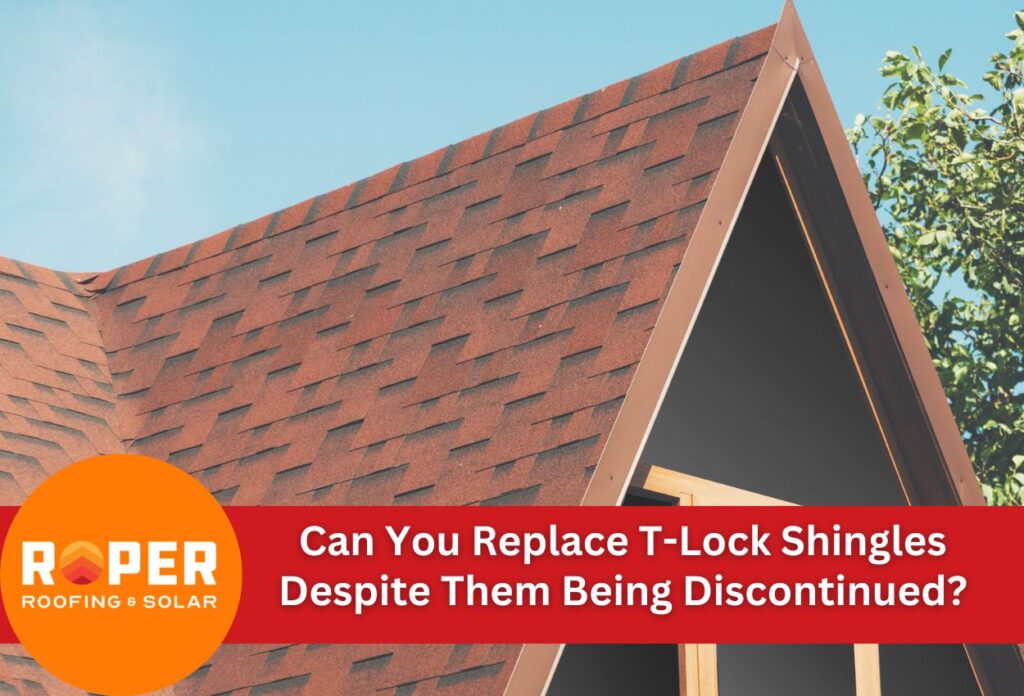
Homeowners with T-lock shingles on their roofs often worry about replacement options when these unique interlocking shingles become damaged or fail. T-lock shingles feature a distinctive design with tabs that interlock with adjacent shingles, creating what was marketed as a more secure roofing system. Many homeowners chose these shingles because manufacturers promised better wind resistance and durability compared to traditional 3-tab shingles.
Several major roofing companies stopped producing T-lock shingles due to installation problems and performance issues that led to numerous warranty claims. The interlocking design that seemed advantageous actually created complications during installation and made repairs more difficult.
When T-lock shingles experience damage from storms, aging, or manufacturing defects, homeowners face the challenge of finding suitable replacement options. The T-lock shingle replacement process requires understanding alternative shingles that can work effectively on roofs originally designed for the interlocking system. Professional roofers have developed replacement methods that involve removing the existing shingles and installing modern roofing materials that provide better long-term performance and reliability.
Why T-Lock Shingles Create Unique Replacement Challenges
The interlocking design that made T-lock shingles appealing also creates significant complications when repairs become necessary. Unlike standard asphalt shingles that can be removed and replaced individually, T-lock shingles feature tabs that mechanically connect to surrounding shingles. This interconnected system means that replacing even a single damaged shingle often requires disturbing multiple rows of adjacent shingles, making partial repairs extremely difficult and sometimes impossible without impacting the entire roofing section.
T-lock shingle installation problems compound these replacement challenges over time. The complex interlocking mechanism required precise installation techniques that many roofers struggled to master when these shingles were available. Improper installation created stress points that led to premature cracking and tab separation. Wind damage became particularly problematic because the interlocking tabs would catch uplift forces differently than anticipated, causing catastrophic failures across large roof sections rather than isolated damage.
Common deterioration patterns with T-lock shingles include cracking along the locking tabs, separation of the interlocking mechanisms, and granule loss that accelerates once water damage begins. These issues typically develop 10 to 15 years after installation, coinciding with when discontinued T-lock shingles became unavailable for matching repairs.
The Complete T-Lock Shingle Removal Process
Removing T-lock shingles requires specialized techniques that differ significantly from standard shingle removal methods. The interlocking tabs must be carefully disengaged to avoid damaging the roof deck underneath, which can be challenging when the shingles have been in place for years. Professional contractors begin the T-lock shingle removal process by working from the top of the roof downward, carefully lifting each shingle to disengage the connections without forcing the tabs.
The removal process starts with identifying access points where the interlocking system can be safely separated. Contractors use flat pry bars and specialized roofing tools designed to work beneath the tabs without applying excessive pressure that could crack the shingles or damage the decking below. Unlike traditional shingles that can be pulled up quickly, each T-lock shingle requires individual attention to properly disengage the locking mechanism.
Special tools required for T-lock removal include modified pry bars with angled heads that can access the tight spaces beneath the interlocking tabs. Contractors also use pneumatic nail pullers to remove fasteners without causing unnecessary stress to the roof deck. The T-lock shingle replacement process calls for patience and precision because rushing the removal can result in torn underlayment or damaged decking that increases the cost of repair.
Weather conditions play an important role in successful removal, as cold temperatures make the shingles brittle and more prone to cracking during the disengagement process. Professional roofers plan T-lock removal projects during the best weather to be sure that alternative shingles for T-lock replacement can be installed properly and quickly once the old system is completely removed.
Best Alternative Shingle Options for T-Lock Replacement
Once T-lock shingles are removed, homeowners have several excellent replacement options that provide superior performance and easier maintenance. The most important consideration when selecting alternative shingles for T-lock replacement involves making sure there’s compatibility with your existing roof structure and achieving proper weatherproofing without the complicated interlocking system that caused problems with the original installation.
Architectural shingles are the most popular choice because they offer enhanced durability and visual appeal while working seamlessly with standard roofing practices. These shingles have multiple layers that give depth and texture to your roof, providing better wind resistance than the original T-lock design without requiring special installation techniques. The construction of architectural shingles also has better impact resistance and longer warranties that give homeowners confidence in their investment.
3-Tab shingles offer another practical alternative for homeowners seeking reliable performance at a cheaper up-front cost. While simpler in design than architectural options, quality 3-tab shingles provide dependable protection and easier repairs compared to the discontinued T-lock shingles. These traditional shingles use proven installation methods that most roofing contractors understand thoroughly, reducing the risk of installation problems that plagued many T-lock applications.
Other alternative roofing materials worth considering include synthetic shingles, metal roofing panels, and composite materials that offer extended lifespans and reduced maintenance requirements. Each option provides distinct advantages over the original T-lock system while eliminating the replacement challenges that homeowners face with discontinued products.
What to Expect During Professional T-Lock Replacement
Professional T-lock shingle replacement follows an approach that typically spans 3 to 5 days, depending on the roof’s size and complexity. The project begins with an inspection that evaluates not only the shingle condition but also the underlying roof deck, underlayment, and flashing systems. Contractors examine the roofing structure for damage that may have occurred due to leaks through failed T-lock connections, as these shingles often allow moisture to get through that isn’t immediately visible from ground level.
The initial assessment phase reveals whether additional repairs beyond simple shingle replacement will be necessary. Many T-lock installations from the 1990s and early 2000s coincided with older underlayment materials that have reached the end of their useful life. Professional roofers document these findings and provide detailed explanations of why replacement often proves to be more cost-effective than attempting partial repairs on a discontinued roofing system.
Weather coordination plays a critical role in project scheduling, as contractors have to give adequate time for complete installation without weather interruptions. The T-lock shingle replacement process cannot be rushed, particularly during the removal phase when careful handling prevents damage to salvageable roof components.
Avoiding Common T-Lock Replacement Mistakes
T-lock shingle replacement projects frequently fail when homeowners attempt DIY approaches or hire contractors unfamiliar with the unique challenges these discontinued shingles present. The complex interlocking system requires specialized knowledge and tools that most homeowners lack, leading to damaged roof decking, improper weatherproofing, and safety hazards that ultimately cost more to correct than professional installation would have originally required.
DIY T-lock shingle removal attempts often result in torn underlayment when homeowners force the interlocking tabs instead of carefully disengaging them. Without understanding proper removal sequences, inexperienced workers can create structural damage that compromises the roof’s structural integrity. The specialized tools required for safe T-lock shingle removal can be significant investments that don’t justify their purchase for single-use projects, making professional services more cost-effective than attempting it on your own.
Safety concerns multiply during DIY T-lock replacement because the removal process takes significantly longer than standard shingle work, increasing the risks of falling or getting hurt. Homeowners underestimate the physical demands of carefully disengaging each interlocking connection, leading to rushed work that creates expensive problems requiring professional correction.
When hiring contractors for T-lock shingle installation problems, several red flags indicate potential issues. Contractors who promise partial T-lock repairs without full system replacement often lack an understanding of how the interlocking design affects adjacent shingles. Legitimate professionals recognize that a successful T-lock shingle replacement process requires complete removal rather than attempting to work around the discontinued system.
Making the Smart Choice for Your T-Lock Shingle Replacement
Selecting the right contractor for T-lock shingle replacement requires asking specific questions that reveal their experience with discontinued roofing systems. Understanding a contractor’s familiarity with T-lock shingle installation problems helps homeowners identify professionals capable of handling the unique challenges these interlocking systems present.
Essential questions include asking contractors to describe their approach to T-lock shingle removal and what alternative shingles they recommend based on your specific roof structure. Professional contractors should explain the replacement process timeline and identify potential complications they might encounter during removal. Contractors who understand T-lock shingles could discuss underlying issues commonly found beneath these systems, including deteriorated underlayment and potential deck damage from moisture.
Investing in a complete T-lock replacement provides long-term benefits that go beyond addressing immediate repair needs. Modern alternative shingles eliminate the maintenance challenges associated with discontinued products while offering improved warranties and performance specifications. Complete replacement prevents the ongoing frustration of attempting repairs on an obsolete roofing system that becomes increasingly difficult to maintain as surrounding shingles age and deteriorate.
Property values benefit significantly from replacing problematic T-lock systems with reliable modern alternatives. Potential buyers often view T-lock shingles as maintenance liabilities, knowing that repairs will be complicated and expensive. Professional replacement with quality alternative materials transforms a potential selling obstacle into a valuable asset that demonstrates proactive home maintenance and eliminates future roofing concerns for new owners.
Discover Your Best Options with Roper Roofing & Solar
If you’re grappling with the challenge of discontinued T-lock shingles on your roof, don’t wait for further damage to make the problem worse. At Roper Roofing & Solar, we specialize in identifying the perfect alternatives to T-lock shingles, ensuring a seamless transition and enhanced protection for your home.
Don’t let discontinued shingles compromise your roof’s structural integrity. Call Roper Roofing & Solar today at (720) 475-1065 to schedule a consultation and secure your home with the best roofing solutions available.