

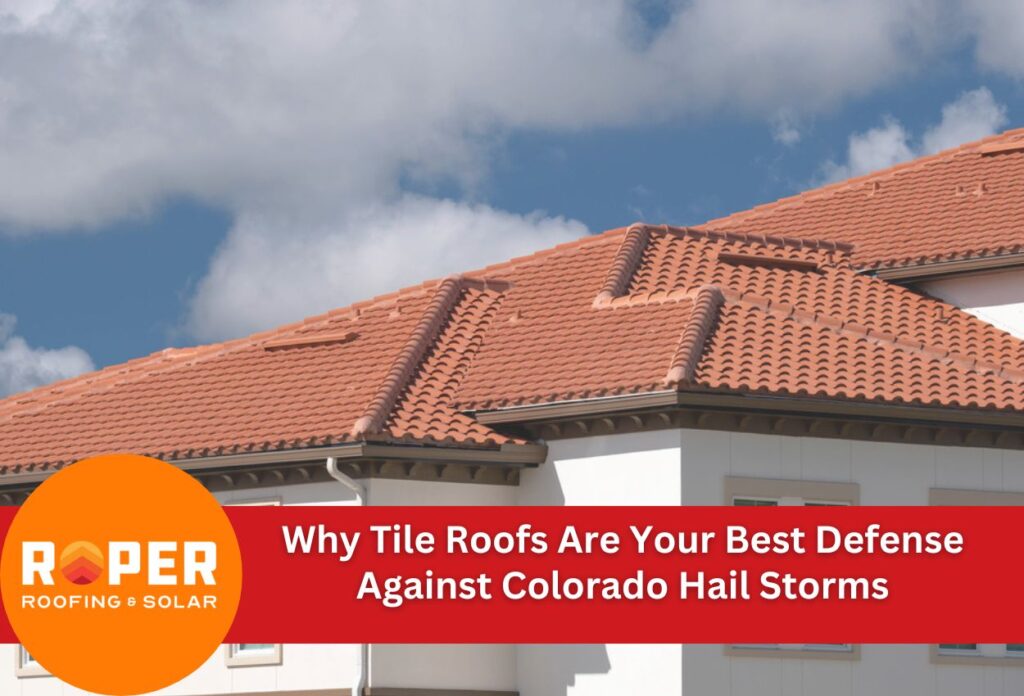
Colorado homeowners face a constant threat from damaging hailstorms that can destroy roofing materials in minutes. While most roofing options struggle against these frozen projectiles, tile roofs stand as exceptional defenders against hail damage. This superior hail resistance comes from the strength and construction of these materials, making them far more durable than traditional asphalt shingles.
Clay and concrete tiles naturally absorb impact energy differently than other roofing materials. Their dense composition and thickness create a barrier that can withstand significant hail strikes without cracking or breaking. This protection translates into fewer repairs and longer-lasting roof performance for Denver area properties.
The durability of clay tile roofs stems from their fired ceramic construction, which creates an incredibly hard surface resistant to impact damage. On the other hand, concrete tile storm resistance comes from the material’s dense aggregate composition that distributes impact forces across a wider area. Both tile types offer homeowners peace of mind during Colorado’s unpredictable weather seasons.
Understanding how these roofing materials perform during severe weather helps property owners make informed decisions about protecting their homes. Proper tile roof maintenance after hail ensures maximum longevity and continued protection against future storms.
How Clay Tiles Stand Up to Hail Impacts
The exceptional performance of clay tiles during hailstorms stems from their unique fired ceramic composition. When clay undergoes high-temperature firing during manufacturing, it creates a dense, hardened surface that effectively absorbs and distributes impact energy across the entire tile. This process transforms ordinary clay into a shield-like material that can withstand direct strikes from large hailstones without sustaining damage.
Generally, clay tiles maintain their integrity even when subjected to golf ball-sized hail, while other roofing materials suffer significant damage under similar conditions. This durability often leads to measurable financial benefits, as properly installed clay tile systems can last decades longer than conventional roofing materials.
In fact, clay tiles rarely crack or break upon impact. Instead, the fired ceramic material deflects hail energy, preventing the hail from breaking through the roof system. This hail resistance means fewer insurance claims, reduced replacement costs, and enhanced property protection over time.
The dense composition of clay tiles also provides excellent roof protection by creating multiple layers of defense. Even if surface impacts occur, the underlying tile structure remains intact, maintaining the roof’s weather-tight performance and requiring minimal repairs compared to other roofing systems.
Concrete Tile Performance During Storm Season
Concrete tile manufacturing creates one of the most robust roofing materials available for storm protection. The production process combines Portland cement, sand, and water under high pressure, forming tiles with exceptional density and strength. This manufacturing approach produces concrete tiles that weigh significantly more than other roofing materials, creating natural hail protection through mass and material composition.
The dense aggregate structure of concrete tiles provides superior storm resistance compared to lightweight alternatives. When hailstones strike concrete tiles, the impact energy disperses throughout the material rather than concentrating at a single point. This distribution prevents cracking and maintains the tile’s protective barrier even during severe weather.
After hailstorms, concrete tile roofs typically require minimal intervention compared to damaged asphalt or metal systems. This means individual tiles rarely crack or break, preserving the roof assembly. This durability reduces the need for extensive tile roof maintenance after hailstorms, saving property owners both time and repair expenses while ensuring continued protection.
Understanding Impact Ratings and What They Mean for Your Roof
Impact resistance ratings provide homeowners with standardized measurements of how well roofing materials withstand hail strikes. The roofing industry uses UL 2218 testing standards to evaluate tile roof hail resistance by dropping steel balls of varying sizes onto material samples from specific heights. These tests simulate real hail conditions and assign ratings from Class 1 through Class 4, with Class 4 being the best hail damage roof protection available. These ratings translate into real-world performance during actual hail storms, where tiles maintain roof system integrity while other materials fail.
Class 4 impact ratings require materials to survive strikes from 2-inch steel balls dropped from 20 feet without cracking or breaking. Most clay and concrete tiles easily achieve this top rating due to their dense construction. The durability of clay tile roofs consistently earns these superior classifications, while asphalt shingles typically receive lower ratings.
Manufacturer specifications generally list impact ratings alongside other performance data, helping property owners select appropriate materials for their climate. Colorado’s frequent hail activity makes Class 4-rated tiles the logical choice for maximum protection. These ratings may also lead to insurance discounts and extended warranty coverage, making higher-rated materials financially beneficial.
Reading specification sheets reveals additional performance metrics beyond basic impact ratings. Wind uplift resistance, freeze-thaw durability, and expected service life complement impact data to provide complete material profiles. Understanding these specifications ensures homeowners choose the right material for their roof and reduces the need for maintenance after hail events.
Post-Storm Inspection Tips for Tile Roof Owners
After hailstorms pass through the area, conducting a thorough ground-level inspection helps identify potential damage before it leads to water infiltration or structural issues. Homeowners can safely assess their tile roof by examining visible areas from the ground using binoculars. This initial evaluation determines whether a professional assessment is necessary while avoiding dangerous ladder climbs or rooftop access.
Begin the inspection process by walking around the property perimeter and examining gutters for broken tile fragments or granules. Intact tiles should show no visible cracks, chips, or missing pieces after hail events. Look for displaced tiles that may have shifted from their original positions, as movement can compromise the roof’s weatherproofing capabilities. Also, check downspouts and ground areas for debris that indicates tile damage above.
Several warning signs require an immediate professional inspection. Visible cracks running across multiple tiles, exposed underlayment showing through damaged areas, or sagging sections indicate serious structural concerns. Water stains appearing on interior ceilings or walls after storms signal roof compromise that needs urgent attention, regardless of visible exterior damage.
It is important to contact qualified roofing professionals when damage exceeds minor surface impacts or if you are uncertain about the roof’s condition. Even tiles with superior storm resistance benefit from an expert assessment after severe weather. Professional inspectors identify subtle damage that untrained eyes might miss, ensuring continued protection and minimizing future damage through prompt repairs.
Essential Maintenance Practices to Maximize Hail Protection
Regular maintenance plays a critical role in preserving a tile roof’s hail resistance over time. Property owners should conduct seasonal inspections to spot signs of potential vulnerabilities before they compromise the entire roofing system. Spring and fall maintenance focuses on clearing debris from gutters, checking tile alignment, and examining flashing around chimneys and pipes. These proactive measures ensure tiles remain properly positioned and secured, maximizing their ability to deflect hail impacts effectively.
Professional maintenance services have specialized expertise that extends the durability of clay tile roofs. Licensed roofing contractors have the knowledge and equipment to identify loose tiles, damaged underlayment, or deteriorated mounting hardware that could compromise the entire roofing system. Annual professional inspections are necessary to preserve the roof’s structural integrity and impact resistance.
Cleaning removes accumulated debris that can trap moisture and accelerate tile deterioration. Power washing techniques specifically designed for tile roofs eliminate moss, algae, and organic buildup without damaging the tile surfaces. This maintenance preserves the material’s superior hail resistance while extending the roof’s service life.
Promptly repairing damaged or displaced tiles maintains continuous protection across the entire roof surface. Professional contractors can replace individual tiles without disturbing surrounding areas, ensuring seamless roof maintenance. These targeted repairs preserve the roof’s Class 4 impact rating and prevent water infiltration that could compromise the underlying structure.
Making the Investment in Long-Term Storm Protection
When evaluating roofing materials for storm-prone regions, the comparison between tile roofs and conventional alternatives reveals significant differences in replacement frequency and long-term performance. While asphalt shingles typically require replacement every 15 to 20 years, especially after repeated hail exposure, both clay and concrete tiles can provide 50 to 75 years of reliable service with minimal intervention.
Properties with tile systems typically experience fewer emergency repairs and avoid the cyclical replacement costs associated with other materials. Additionally, insurance companies recognize the protective value of high-impact resistant tile roofing systems through premium discounts and enhanced coverage options. Many providers offer substantial rate reductions for properties with Class 4 impact-rated tiles, acknowledging their proven hail resistance. These discounts often offset higher initial material costs within several years, while the reduced claim frequency benefits both insurers and policyholders.
Property owners with tile systems typically enjoy streamlined claims processing after hail events, as tiles rarely sustain the widespread damage common with other materials. This translates into lower deductible payments and faster resolution times, making tile roof maintenance more predictable and cost-effective than alternatives.
Protect Your Home with Roper Roofing & Solar’s High-Impact Tile Roofs
If you live in a hail-prone area, it’s important to choose the right roofing material to protect your home from severe weather. Tile roofs, known for their exceptional hail resistance, offer a durable and long-lasting solution. At Roper Roofing & Solar, we specialize in installing tile roofing systems that provide superior storm protection. Our tile roofs not only stand up to heavy hail but also contribute to your home’s curb appeal and overall value.
Don’t wait for the next hail storm to find out if your roof can handle it. Call us today at (720) 475-1065 for a professional roof inspection and consultation. Invest in a tile roof from Roper Roofing & Solar to ensure your home is protected year-round.