

How Long Do Torch Down Roofing Systems Last? Lifespan & Durability Guide
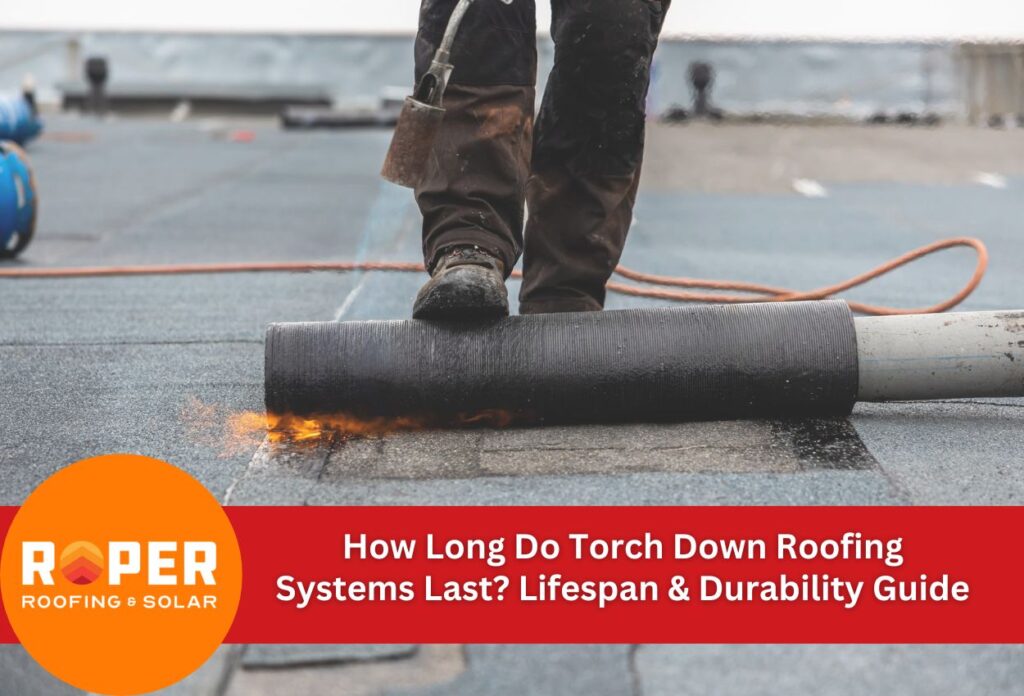
Torch down roofs have become a popular choice for Denver property owners with flat or low-slope roofs. This durable roofing system consists of modified bitumen membranes that are heat-applied using a torch, creating a waterproof seal that stands up to Colorado’s varied climate conditions. As a property owner in Denver, understanding how long torch down roofing systems last is essential for maintaining your roof and future investments.
Typically, torch down roofing systems offer impressive durability compared to some other flat roofing options. The modified bitumen materials used in these systems are engineered to withstand significant temperature fluctuations — an important consideration given Denver’s hot summers and cold, snowy winters. The lifespan of a torch down roof depends on several factors, including installation quality, maintenance practices, and environmental conditions.
For Denver buildings, installation quality can significantly impact how long a torch down roof remains effective. When correctly installed and maintained, these roofing systems provide reliable protection for your property. Understanding the expected longevity of torch down roofing systems helps property owners plan for future expenses and implement maintenance strategies to maximize their roofing investment.
Typical Lifespan Expectations for Torch Down Roofing Systems
When correctly installed by professional Denver roofers, torch down roofs typically last between 15 to 20 years. This lifespan varies based on several key factors. The quality of materials used affects the roof’s durability, with premium modified bitumen membranes offering extended performance. Denver’s climate has an important role too — our intense UV exposure, frequent hailstorms, and dramatic temperature swings can accelerate wear on roofing materials.
Installation quality cannot be overstated. A properly torch-applied membrane with correct overlaps and secured flashing will consistently reach the upper end of the lifespan range. Regular maintenance, including annual inspections and immediate repairs when needed, can extend your torch down roof’s service life considerably.
Compared to other flat roofing options, torch down roofing systems offer competitive longevity. While single-ply membranes like TPO may last 20 to 30 years and EPDM can reach over 25 years with proper care, torch down roofing systems deliver excellent value considering their waterproofing capabilities and lower cost. The multi-layer construction of modified bitumen provides superior puncture resistance compared to single-ply alternatives, making it particularly suitable for Denver properties where hail damage is common.
For maximum torch down roof longevity, Denver property owners should schedule professional inspections twice yearly and after major weather events.
Factors That Extend or Reduce a Torch Down Roof’s Longevity
Denver’s climate can challenge torch down roofs over time. The high elevation means more intense UV exposure, which can accelerate membrane degradation. Our dramatic temperature swings from below-freezing winters to 90-degree summers cause repeated expansion and contraction that stress roofing materials over time. Frequent hailstorms also pose a significant threat, potentially puncturing or damaging the modified bitumen membrane.
Installation quality is perhaps the most critical factor affecting how long a torch down roof lasts. Substrate preparation creates a solid foundation for the roofing system. This includes thoroughly cleaning the surface, repairing any existing damage, and ensuring an appropriate slope for drainage. The application technique matters tremendously — maintaining consistent heat across the membrane, creating overlaps between sheets, and avoiding overheating are all essential skills that experienced Denver roofers provide.
Flashing details around roof penetrations, edges, and transitions require meticulous attention. These vulnerable areas are common failure points if not correctly sealed. Roof drains and scuppers prevent standing water, which can deteriorate the roofing material over time. Ventilation systems that reduce moisture buildup beneath the roof deck also play a key role in extending the life expectancy of a torch down roof. For Denver property owners, investing in quality installation from certified roofing professionals is one of the best ways to maximize their torch down roof’s service life.
Critical Maintenance Practices to Maximize Your Torch Down Roof’s Life
Maintaining your torch down roofing system is essential for Denver property owners who want to maximize their investment. A well-maintained modified bitumen roof can reach, and sometimes exceed, its expected lifespan, while neglected roofs often require premature replacement. The harsh Colorado climate makes regular maintenance even more crucial for preserving the membrane’s durability.
Denver property owners should follow a seasonal maintenance schedule. Spring inspections should focus on winter damage assessment, clearing drainage systems of debris, and checking seams for separation. Summer maintenance includes examining the roof surface for blistering or cracking from UV exposure. Fall maintenance prioritizes clearing leaves and preparing drainage systems for winter, while winter checks should focus on clearing snow and preventing ice dams.
Some maintenance tasks are suitable for property owners, including regular debris removal, visual inspections from the ground, and monitoring interior signs of leaks. However, walking on a torch applied roof requires specific techniques to avoid damage. Professional roofing contractors should handle more complex tasks like resealing flashing, repairing the modified bitumen membrane, and inspections. These experts can identify early warning signs that might escape untrained eyes and provide the specialized repairs that extend the life of your torch down roof. Annual professional inspections are a small investment that can significantly delay the need for replacing torch down roofing systems.
Warning Signs Your Torch Down Roof Is Approaching End of Life
Knowing when your torch down roof is nearing the end of its useful life can help Denver property owners plan and budget for replacement before unexpected damage occurs. Visual indicators often provide the first clues that your modified bitumen roofing system is deteriorating. Extensive blistering across the roof surface indicates trapped moisture within the membrane layers, while widespread cracking shows the material has become brittle from years of UV exposure and Colorado’s temperature fluctuations.
Membrane separation at seams is particularly concerning, as these vulnerable areas allow water beneath the roofing system. Watch for granule loss on the cap sheet, which exposes the underlying material to accelerated weathering. Ponding water that remains more than 48 hours after precipitation suggests the roof structure may have sagged or that drainage systems are compromised.
Performance issues also signal that a torch down roof is at the end of its lifespan. When you notice recurring leaks despite repeated repairs, this indicates the membrane has fundamentally degraded. Increasing repair frequency and costs suggest diminishing returns on maintenance. Interior water stains that appear in new locations after storms point to progressive membrane failure. If your energy bills have increased unexpectedly, your roof’s insulating properties may be compromised by moisture infiltration.
Denver property owners experiencing multiple warning signs should contact a professional roofing contractor for a comprehensive assessment to determine if replacement is necessary rather than continuing with temporary repairs.
Extending Your Torch Down Roof’s Lifespan: Restoration Options
When your torch down roof begins showing signs of age but isn’t yet at the replacement stage, restoration offers a cost-effective alternative for Denver property owners. Several coating systems specifically designed for modified bitumen roofs can add years of life to your existing roof. Acrylic elastomeric coatings provide excellent UV protection and reflectivity, helping combat Denver’s intense sun exposure while reducing cooling costs. Silicone coatings offer superior waterproofing and ponding water resistance, addressing a common concern on flat roofs during Colorado’s snow melt.
Reinforcement techniques can also improve the durability of torch down roofs. Fabric reinforcement applied at seams and flashing strengthens vulnerable areas most prone to failure. For roofs with minimal damage, targeted repairs combined with a complete coating system can add 5 to 10 years of service life, depending on the existing roof’s condition and the quality of the restoration work.
When considering restoration vs. replacement, several factors influence the decision. Roofs beyond 15 years old may not be good candidates if the membrane has significantly deteriorated. Building use matters too — critical facilities like data centers or healthcare buildings might warrant complete replacement for better reliability. Denver property owners should consult with experienced roofing professionals to assess whether restoration makes sense. A thorough inspection can determine if your existing torch down roof provides a suitable foundation for restoration measures, potentially postponing the larger investment of full replacement while maintaining weather protection.
When to Replace Your Torch Down Roof
Knowing when to replace your torch down roof is a critical decision for Denver property owners. While regular maintenance can extend the life of modified bitumen roofing systems, every roof eventually reaches the end of its service life. Most torch down roofs in Denver will signal their decline through multiple indicators rather than sudden failure, giving property owners time to plan for replacement.
The optimal timing for torch down roof replacement depends heavily on Denver’s seasonal conditions. Late spring through early fall provides the ideal installation window when temperatures consistently remain above 50 degrees Fahrenheit, allowing proper adhesion of the modified bitumen materials. Scheduling replacement during these months helps avoid the challenges of winter installation, including potential moisture issues and compromised material performance in cold temperatures.
When replacing your aging torch down roof, consider modernized modified bitumen systems that offer enhanced performance characteristics over older installations. Today’s advanced membranes provide superior UV resistance, critical for Denver’s high-altitude sun exposure. Improved tear and puncture resistance helps withstand Colorado’s frequent hailstorms. Many newer systems also incorporate reflective granules or surfacing that can reduce cooling costs during summer months.
This replacement opportunity also allows your roof’s insulation to be evaluted. Enhancing R-values during reroofing can significantly improve energy efficiency and reduce utility costs year-round, particularly important for Denver’s climate. A professional roofing assessment can help determine the most beneficial upgrades for your specific building.
Expert Torch Down Roofing Services with Roper Roofing & Solar
If you’re in Denver, understanding the lifespan and maintenance needs of torch down roofing systems is crucial. With Roper Roofing & Solar, you can ensure that your flat roof withstands the test of time and the harsh Colorado elements. Regular maintenance and restorations are key to extending the life of your torch down roof beyond the typical 15 to 20 years.
Call Roper Roofing & Solar today at (720) 475-1065 to schedule an inspection and discuss maintenance or restoration options. Our expert team is ready to help you maximize the lifespan of your roof with professional, reliable services tailored to Denver’s unique climate conditions.