

How to Repair Vinyl Siding Yourself: An Easy DIY Guide for Homeowners
Vinyl siding problems strike homeowners when they least expect them. Cracked panels from hail damage, loose sections after strong winds, and faded or warped pieces from years of weather exposure create both appearance and protective concerns for any home. Many homeowners assume these issues require expensive professional repairs, but most vinyl siding problems can be fixed with basic tools and some patience.
Vinyl siding crack repair often requires nothing more than specialized caulk and proper technique, and replacing damaged vinyl siding becomes manageable once you understand how the interlocking system works. Even fixing loose vinyl siding typically involves simple adjustments that any homeowner can master.
The key to successful vinyl siding repairs lies in understanding when to tackle repairs independently and when professional help becomes necessary. Basic vinyl siding maintenance prevents many of the common problems from developing in the first place. Small cracks, loose panels, and individual damaged sections fall well within DIY capabilities, however, extensive damage covering large areas or structural issues behind the siding requires professional assessment. Proper vinyl siding installation tools, which contractors would have at the ready, make repairs easier and more effective.
Essential Tools and Materials for Vinyl Siding Repairs
Completing vinyl siding repairs requires having the right vinyl siding installation tools before starting any project. A measuring tape and chalk line ensure accurate measurements and straight cuts, while a utility knife with sharp blades handles most cutting tasks for vinyl siding crack repair projects. A zip tool is indispensable for unlocking panels safely without damage, and a hammer with galvanized nails secures replacement pieces effectively.
Additional essential tools include a level for proper alignment, tin snips for detailed cuts around obstacles, and a punch tool for creating nail slots. When working to replace damaged vinyl siding panels, having a sturdy ladder and safety equipment gives you access to higher sections of the home while reducing the possibility of injury.
Stocking the right materials makes repairs more efficient. Keeping extra matching vinyl siding panels on hand, because matching the exact color can become difficult over time due to fading and manufacturing changes, can make the replacement less time consuming. Also, having quality exterior caulk on hand, designed for vinyl applications, sealing gaps, and preventing moisture infiltration during and before the repair process, if a quick fix is needed.
Galvanized nails resist rust and provide secure fastening, while construction adhesive offers additional holding power when fixing loose vinyl siding. Having replacement J-channel, corner trim, and starter strips available addresses common problem areas. These materials enable quick responses to damage from Denver’s changing weather conditions, preventing minor issues from becoming major problems requiring extensive repairs.
Identifying and Fixing Cracks in Vinyl Siding Panels
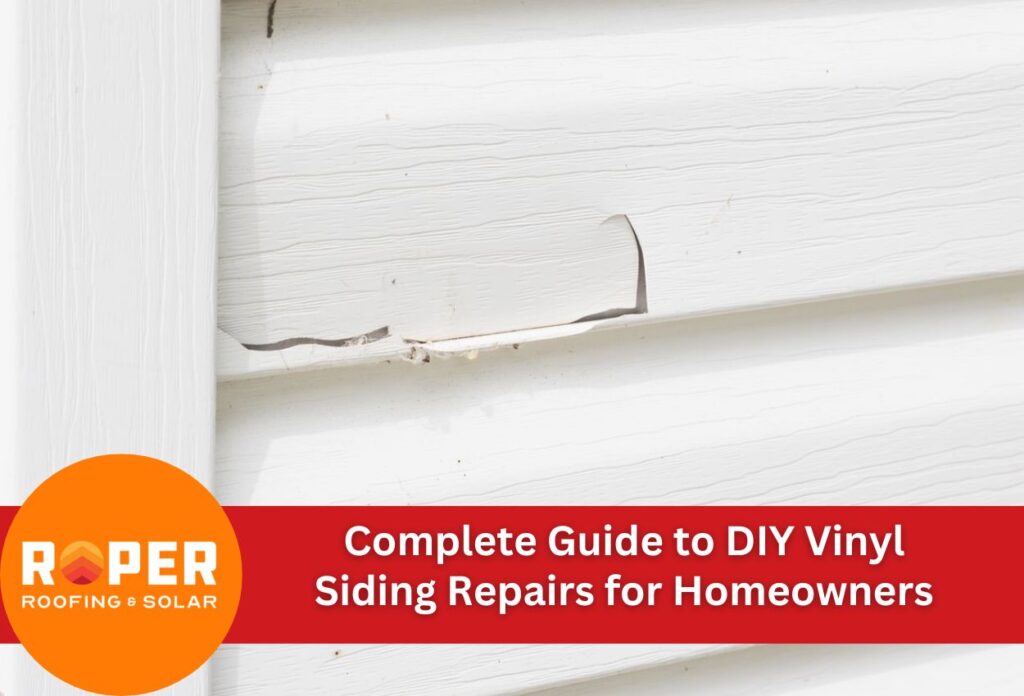
Properly assessing the damage on vinyl siding determines the most effective repair approach and prevents the need for panel replacement. Small hairline cracks often result from temperature fluctuations, while larger splits typically indicate impact damage from hail, debris, or the structure settling. Examine cracks closely to determine if they go completely through the panel or are just surface-level imperfections.
Surface cracks measuring less than 6 inches usually respond well to vinyl siding crack repair techniques using specialized caulking compounds. These repairs blend seamlessly when completed properly and provide lasting protection against water. However, cracks extending through the full thickness of the panel or exceeding eight inches in length generally require you to replace the damaged vinyl siding panels entirely.
Small crack repairs begin with thorough cleaning around the damaged area using mild detergent and water. Once dry, apply high-quality exterior vinyl caulk designed specifically for siding applications, smoothing the surface with a putty knife for professional results. This vinyl siding crack repair method works effectively for most minor damage situations.
Vinyl siding repair kits contain specialized patches and adhesives for holes and larger damaged areas. Clean the surface thoroughly, cut the patch slightly larger than the damage, and apply the following manufacturer’s instructions. These kits offer reliable solutions when fixing loose vinyl siding around damaged sections. Proper vinyl siding maintenance tips include regular inspection for developing cracks, allowing homeowners to address problems before they require complete panel replacement.
Removing and Replacing Damaged Vinyl Siding Panels
Successfully removing damaged vinyl siding panels requires understanding the interlocking system that secures each piece. Start the removal process by identifying the damaged panel and locating the seam where it connects to adjacent sections. Using a zip tool, carefully insert the hooked end at the bottom of the panel above the damaged one, sliding it along the length to unlock the connection without forcing or prying.
Safe removal techniques protect surrounding panels from accidental damage during the process. Work slowly and methodically, supporting the weight of loose sections to prevent sudden separation that could crack neighboring panels. Remove any nails securing the damaged panel by carefully pulling them straight out, avoiding lateral movement that might tear the nail holes or damage the underlying house wrap.
When preparing to replace damaged vinyl siding panels, measure the removed section precisely and cut the new panel to match using sharp tin snips or a utility knife. Proper alignment is very important during installation, ensuring the replacement panel sits level with existing sections. Position the new panel so its bottom edge locks securely into the panel below, then check that the top edge aligns properly with surrounding pieces.
Installation of replacement panels follows the reverse process of removal. Secure the new panel with galvanized nails spaced according to manufacturer specifications, typically every 16 inches along the nailing strip. Ensure weather-tight seals by checking that all connections lock completely and applying exterior caulk where the replacement meets corner trim or J-channel sections for lasting protection.
Securing Loose Vinyl Siding Back Into Place
Loose vinyl siding panels develop from several common causes that homeowners can address through careful inspection. Wind damage often loosens panels by lifting edges and stressing connection points, while thermal expansion and contraction cycles gradually loosen fasteners over time. Improper initial installation creates weak points that eventually fail, and deteriorating nail holes allow panels to pull away from the home’s structure.
Diagnosing whether the issue stems from fastener problems or actual panel damage requires examining both the siding and its attachment points. Loose panels that maintain their structural integrity typically indicate fastener issues, while panels showing cracks, warping, or torn nail strips suggest material damage that needs replacing. Check for missing nails, oversized holes, or corroded fasteners that no longer provide adequate holding power.
Effective techniques for fixing loose vinyl siding begin with ensuring proper fastener placement along the designated nailing strip. Drive galvanized nails through the center of existing slots, leaving approximately 1/16 inch gap between the nail head and siding surface to allow for thermal movement. Avoid overdriving nails, which restricts natural expansion and contraction cycles that prevent buckling and warping.
Addressing underlying structural issues becomes necessary when repeated loosening occurs despite proper fastening techniques. Check your house wrap to be sure it isn’t deteriorated or damaged. These conditions require correction before permanently securing loose panels, ensuring long-term stability and weather protection for the home’s exterior.
Preventive Maintenance to Extend the Life of Your Vinyl Siding
Establishing a regular inspection schedule prevents minor vinyl siding issues from escalating into expensive repairs requiring extensive panel replacement. Homeowners should conduct thorough exterior examinations twice a year, ideally during spring and fall when weather conditions allow safe access to all areas. These seasonal maintenance checks focus on identifying early warning signs of damage, wear patterns, and potential failure points before they compromise the siding’s protective function.
Warning signs during inspections include hairline cracks developing around fastener points, panels beginning to pull away from the house, and discoloration indicating leaks behind the siding. Look for loose or missing caulk along seams, corners, and trim connections where those leaks commonly occur. Check that panels remain properly locked together without gaps, and examine areas around doors, windows, and utility gaps for seal integrity.
Proper cleaning techniques preserve the vinyl siding’s appearance and prevent environmental damage that leads to premature replacement needs. Use gentle cleaning solutions of mild detergent mixed with water, avoiding harsh chemicals or abrasive materials that scratch or dull the surface. Clean from bottom to top using soft brushes or cloths, then rinse thoroughly with clean water to remove all cleaning residue.
Protective measures against weather and environmental factors include trimming vegetation away from siding surfaces to prevent water from sitting on the panels and scratching damage. Remove debris accumulation around the foundation and ensure proper drainage directs water away from the house. These vinyl siding maintenance tips significantly extend panel life while reducing the frequency of repairs needed to maintain the curb appeal of your home.
When to Call Professionals and Essential Safety Considerations
Certain vinyl siding repairs exceed DIY capabilities and require professional expertise to ensure safe and effective completion. Extensive damage covering multiple panels across large wall sections typically indicates underlying structural problems that need professional assessment. When damage extends above the second story or requires specialized equipment like scaffolding, professional contractors possess the proper tools and safety training for work done on multiple stories.
Electrical hazards near power lines or utility connections create dangerous conditions that only licensed professionals should handle. Similarly, repairs involving structural elements behind the siding, such as damaged house wraps or compromised moisture barriers, require expertise in building envelope systems. If previous DIY vinyl siding crack repair attempts have failed repeatedly, professional diagnosis often reveals hidden issues causing the recurring problems.
Long-term maintenance success depends on understanding personal skill limitations and recognizing when professional help prevents costly mistakes. Working with experienced roofing contractors ensures repairs integrate properly with existing building systems. Professional installation guarantees will often give additional protection for major repairs, while expert assessment helps homeowners develop effective vinyl siding maintenance tips tailored to their specific property conditions and local climate challenges.
Need Expert Help with Your Vinyl Siding? Contact Roper Roofing & Solar Today!
If your DIY vinyl siding repair project is overwhelming or if you encounter signs of deeper, more extensive damage, it might be time to call in the professionals. Roper Roofing & Solar specializes in high-quality vinyl siding repairs and installations. We ensure your home is protected from the elements with expertly installed or repaired siding that lasts.
For professional assistance, call Roper Roofing & Solar at (720) 475-1065. Our team is ready to provide you with reliable solutions and quality service for all your siding needs!