

Discovering a cracked window in your home can be frustrating and concerning. Whether caused by weather, accidental impact, or settling foundations, damaged window glass poses security risks and reduces energy efficiency. Many homeowners assume that any crack means immediate professional replacement, but several window glass repair methods exist for addressing minor to moderate damage.
Understanding which cracks are suitable for DIY repair versus professional intervention is important for successful outcomes. Small chips, spider web patterns, and single-line cracks often respond well to home repair techniques, while extensive shattering or structural damage requires complete window pane replacement.
Safety considerations should be a top priority when attempting any glass repair work. Proper protective equipment and careful assessment prevent injury and ensure effective results. Window pane repair techniques range from temporary stabilization methods to permanent solutions using specialized adhesives and materials.
Broken window glass solutions don’t always require expensive contractor services. Many cracks can be successfully addressed using readily available materials and straightforward methods. Proper evaluation of the damage helps homeowners determine whether repair attempts are worthwhile or if full window replacement becomes the more practical option for maintaining home security and comfort.
Identifying Different Types of Window Glass Cracks
Proper assessment of window glass damage begins with understanding the distinct characteristics of various types of cracks. Surface scratches appear as shallow lines that don’t go completely through the glass thickness and typically result from abrasive contact or cleaning with harsh materials. These minor imperfections rarely compromise structural integrity and respond well to polishing compounds or glass filler.
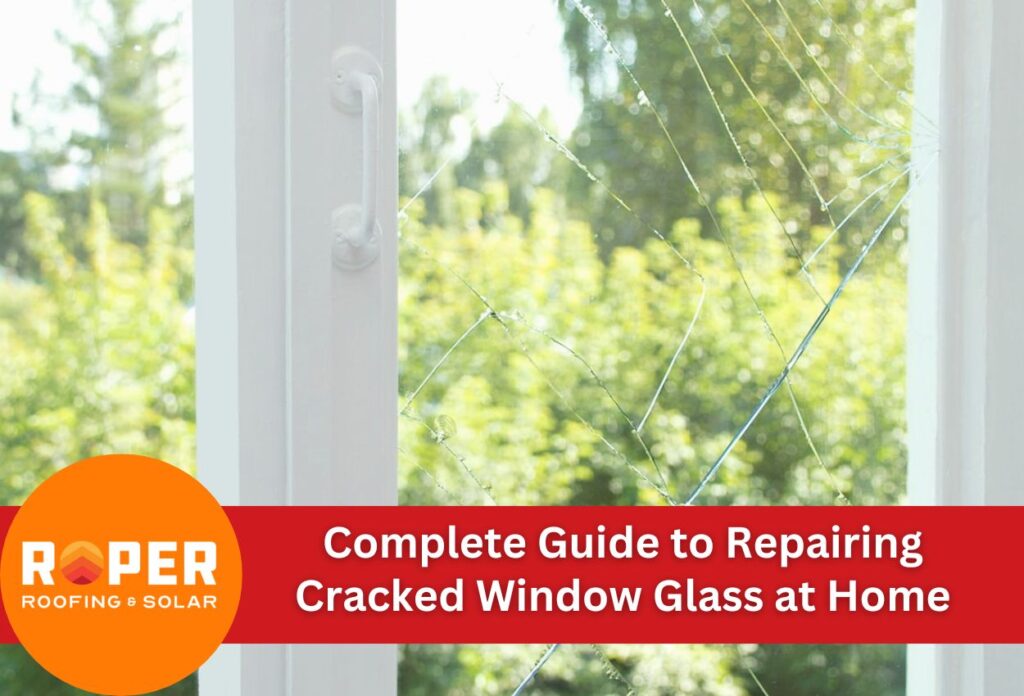
Spider web patterns create radiating crack networks emanating from a central impact point, commonly caused by hail, thrown objects, or sudden temperature changes. These fracture designs indicate moderate damage that may allow for successful repair if the affected area remains relatively contained. The web pattern often stabilizes naturally, preventing further spreading when addressed quickly.
Linear cracks, like straight or slightly curved lines, extend across portions of the glass surface. Single hairline fractures frequently develop from structural settling or thermal expansion and can often be sealed effectively using clear adhesives. However, multiple parallel lines or intersecting patterns could mean more serious damage requiring professional evaluation.
Assessing whether residential window glass damage poses immediate safety risks involves examining the depth of the crack, its location, and its progression rate. Cracks near window edges or extending completely across panes compromise stability and typically need window replacement rather than repairs.
Tools and Materials Required for Glass Crack Repairs
Successful window glass repair methods require specific materials that range from common household items to specialized products designed for glass restoration. Clear nail polish works as an effective temporary solution for hairline cracks, creating a protective seal that prevents leaks and further damage. Super glue or cyanoacrylate adhesive offers stronger bonding capabilities for slightly larger fractures, though application requires careful precision to avoid spreading beyond the damaged area.
Professional-grade glass repair resin provides the most durable solution for residential window glass damage. These specialized compounds cure and become relatively clear, bonding permanently with glass surfaces, making repairs nearly invisible when properly applied. Reinforcement tape or clear packing tape can stabilize cracks temporarily while gathering proper repair materials or during curing processes.
Additional tools include razor blades for removing excess material, clean cloths for surface preparation, and rubbing alcohol for thorough cleaning before repairs begin. Fine-grit sandpaper helps smooth rough edges around damage sites, while a hair dryer or heat gun accelerates curing times for certain adhesives.
Hardware stores typically stock basic repair supplies, while automotive glass shops and online retailers offer specialized resins and professional-grade materials. Most broken window glass solutions require minimal quantities, with single repair kits containing sufficient material for multiple small cracks. Window repair techniques using household items work best as temporary measures until professional materials become available for permanent repairs.
The Repair Process for Small Surface Cracks
Preparation is key to a successful repair. Beginning with a thorough cleaning of the damaged area, remove all dirt, debris, and moisture from the crack using compressed air or a clean, lint-free cloth. Apply rubbing alcohol to eliminate oils and residues that could prevent adhesion. The glass surface must be completely dry before proceeding with any repair materials.
Temperature conditions significantly impact repair effectiveness, with the best working temperatures sitting between 65 and 75 degrees Fahrenheit, so when you’re attempting to repair a crack, keep in mind that cold temperatures can cause glass to contract, which can lead to additional cracking. On the other hand, excessive heat accelerates curing times beyond manageable application periods, so allowing windows to reach room temperature before starting a DIY attempt is a good decision.
Apply clear adhesive or specialized glass resin directly into the crack using gentle pressure, ensuring it gets fully into the crack without air bubbles. Work from one end of the crack to the other, maintaining steady pressure to force material deep into the fracture. Excess adhesive should be removed immediately with a razor blade to prevent unsightly buildup on surrounding glass surfaces.
Curing times vary depending on adhesive type and environmental conditions, typically ranging from 30 minutes to several hours for complete hardening. Avoid disturbing the repair area during this period, as movement can weaken the bond or create visible irregularities.
Advanced Repair Techniques for Larger Cracks
Extensive damage that goes through multiple glass layers requires more sophisticated window glass repair methods than surface treatments can provide. Glass repair resin specifically formulated for deep breaks offers the most effective solution for substantial fractures that extend through the full thickness of window panes.
Injection methods are necessary when dealing with complex crack patterns or damage that extends beyond surface accessibility. Pressure injection systems force repair resin deep into fracture networks, ensuring that the spaces that could otherwise trap moisture or debris are completely filled. The injection process requires careful pressure control to prevent crack expansion while achieving thorough coverage throughout the damaged area.
Reinforcement strategies using transparent films provide additional structural support for repaired areas vulnerable to future stress. These specialized materials bond directly to glass surfaces, distributing weight across wider areas and preventing cracks from getting worse from vibration or thermal cycling. Stabilizing films remain virtually invisible while significantly enhancing the strength of compromised window sections.
Multiple-layer crack systems often require staged repair approaches, addressing the deepest crack first before sealing surface damage. Professional-grade resins cure to match the glass’s thermal expansion properties, preventing stress that could cause the repair to fail. Advanced broken window glass solutions, when executed properly, can restore the window pane’s structural integrity to comparable levels of original glass strength. However, cracked window replacement may still be necessary for extensive damage patterns that affect large portions of the window pane.
When to Consider Professional Window Replacement
Certain types of window glass damage exceed the capabilities of DIY repair methods and require professional help. Cracks extending completely across window panes create structural weakness that compromises the glass’s structural integrity regardless of repair attempts. Multiple intersecting fractures, extensive spider web patterns covering large areas, or damage affecting both interior and exterior glass surfaces typically indicate that DIY repairs won’t cut it for long-term solutions.
Frame deterioration accompanying glass damage presents additional complications that extend beyond simple crack repair. Warped, rotted, or separated window frames allow leaks and reduce insulation effectiveness even when glass repairs appear successful. These structural issues often indicate that cracked window replacement becomes the most cost-effective approach rather than attempting repairs that address only surface symptoms of larger problems.
Safety considerations are extremely important when dealing with severely damaged glass. When dealing with glass, sharp edges, shards, or splinters are all worries, especially if there are pets or children around. Loose glass fragments, extensive shattering, or cracks showing active progression indicate unstable conditions unsuitable for DIY intervention, and it may be time to call in a pro.
Professional evaluation becomes essential when residential window glass damage affects insulation performance, allowing air or water leaks despite attempted repairs. Energy efficiency concerns, ongoing crack expansion, or repeated repair failures suggest underlying issues needing complete window system replacement.
Preventing Future Window Glass Damage
Proactive maintenance strategies significantly reduce the likelihood of future cracks and extend window glass lifespan through regular care and environmental protection. Monthly visual examinations should focus on frame condition, seal integrity, and early signs of stress fractures that could indicate developing structural concerns.
Weather protection measures become especially important during extreme temperature fluctuations that create thermal stress on glass surfaces. Installing storm windows or protective films reduces direct exposure to harsh environmental conditions while maintaining visibility and natural light transmission. Proper drainage around window installations prevents water accumulation that can freeze and expand, creating pressure against glass edges where residential window glass damage commonly starts.
Seasonal maintenance routines should include cleaning debris from window tracks, lubricating moving parts, and inspecting weatherstripping for signs of deterioration. Caulk renewal around window perimeters prevents leaks that weaken the frame’s structure and contribute to glass movement during temperature changes. These preventive measures reduce stress points that lead to crack formation over time.
Early intervention techniques involve addressing minor frame settling, loose hardware, or small chips before they progress into larger fractures requiring professional broken window glass solutions. Prompt attention to developing issues often allows simple window pane repair techniques to prevent extensive damage. Maintaining proper indoor humidity levels also minimizes thermal cycling effects that contribute to stress crack development in window glass systems.
Denver’s Top Choice for Window Glass Repair: Roper Roofing & Solar
If your window damage extends beyond what DIY repair methods can handle, it’s important to consider professional help to ensure your own safety and the structural integrity of your windows. At Roper Roofing & Solar, we specialize in addressing severe window glass damage, providing reliable and long-lasting solutions. Whether it’s a small crack that has expanded or a completely shattered pane, our expert team is equipped to handle all types of window glass repairs and replacements effectively.
Ignoring extensive damage can lead to higher energy bills, security risks, and potential injuries. Don’t wait for the problem to get worse, give Roper Roofing & Solar a call today at (720) 475-1065 for a professional consultation and superior repair services that ensure your home’s safety and comfort.