

Repairing Solar Panels After Hail Damage: What Homeowners Should Know
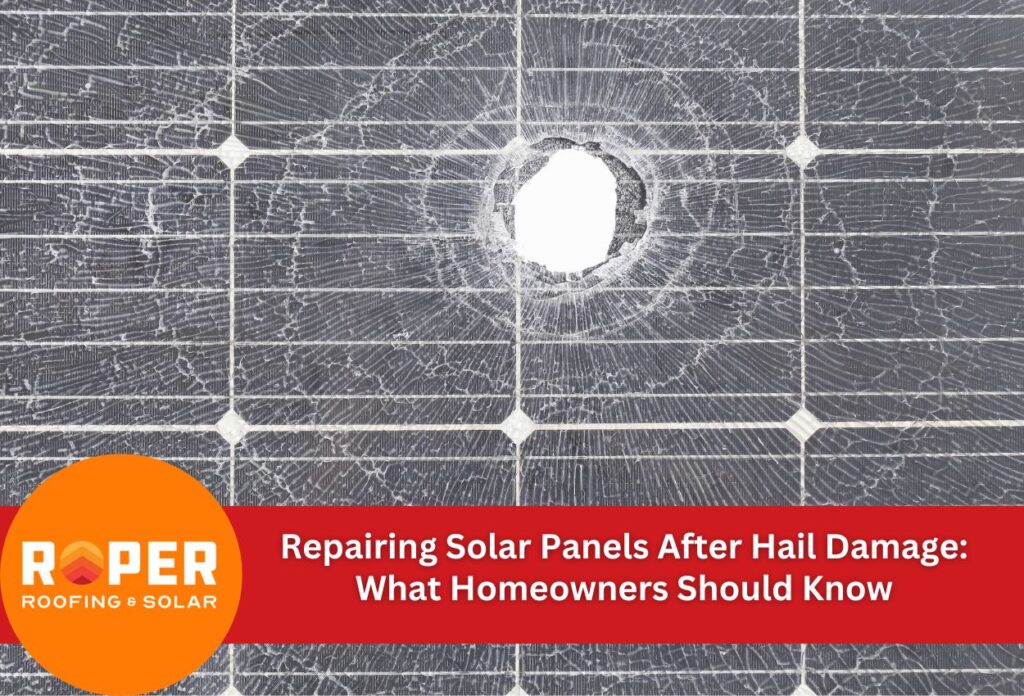
Hailstorms in Denver and across Colorado can wreak havoc on residential and commercial buildings, including solar panel systems. When golf ball-sized hail comes crashing down, many homeowners face uncertainty about the state of their solar investments. Understanding whether you should repair solar panels after hail damage is important for maintaining system efficiency and protecting your renewable energy investment.
Hail damage to solar panels ranges from minor cosmetic scratches to severe cracks that hurt the entire system’s functionality. A bad hailstorm can overwhelm even the most durable solar panels that would normally hold up to bad weather. The impact of leaving damaged panels unaddressed extends beyond visual appearance; it can lead to significant drops in energy production, water infiltration, and electrical hazards.
A professional solar panel hail damage assessment helps determine the extent of the problem and guides decision-making about repairs. Roofing contractors with solar expertise can evaluate both your roof integrity and solar panel system condition after severe storms. This approach makes sure that your entire rooftop ecosystem receives attention following a hail storm.
Assessing Your Solar Panels After a Hailstorm
After a hailstorm passes through the Denver area, it’s important to evaluate your solar panel system for potential damage. Begin with a ground-level visual inspection using binoculars (if possible) to spot obvious cracks, dents, or discoloration. Never climb onto your roof without proper safety equipment and training; this is best left to professionals. Take clear, dated photographs of any visible damage from multiple angles to document the condition for insurance claims.
When examining your panels, watch for these signs that require professional attention:
- Visible cracks in the glass surface
- Water seeping beneath the panel frames
- Significant drops in energy production tracked through your monitoring system
- Shattered cells are visible through the glass covering
Minor cosmetic issues like small scratches or light discoloration may not affect performance and often don’t warrant immediate repair.
Your inverter readings provide valuable insight into system health. Compare post-storm production numbers with typical output levels. A sudden decrease of 5% or greater could indicate hail damage affecting performance. Denver homeowners should also check for debris accumulation that might mask underlying damage.
Remember that some damage isn’t immediately visible, as microcracks can develop and worsen over time, so scheduling a professional solar panel hail damage assessment from a qualified roofing contractor with solar expertise ensures a thorough evaluation of your panels.
Repair vs. Replacement: Making the Right Decision
When facing solar panel damage after a hailstorm, Denver homeowners must carefully evaluate whether repair or replacement is the more sensible option. The extent of damage plays an important role in this decision. Minor cosmetic damage, like small scratches or light discoloration, typically requires only repairs, while severe structural damage affecting multiple panels might necessitate complete replacement.
The age of your solar panel system is another important consideration. For newer installations under 5 years old, repairs often make more sense economically. However, if your system is approaching the 15 to 20 year mark, replacement might provide better long-term value, especially when combined with newer, more efficient technology available today.
Your warranty status significantly impacts this decision. Many solar panels come with 25-year performance warranties, but these often have specific provisions regarding hail damage. Before proceeding with repairs or replacement, check your warranty documentation and consult with your installer about coverage options for storm damage.
When weighing repair versus replacement, consider the impact on energy production. Even minor damage can reduce efficiency over time. A professional solar panel inspection can help confirm this production loss and provide a clear cost-benefit analysis. Colorado homeowners should also factor in the potential for future hailstorms when deciding between temporary repairs and more resilient replacement options that might better withstand our region’s unpredictable weather patterns.
Working With Your Insurance for Solar Panel Damage Claims
Navigating insurance claims for hail-damaged solar panels requires preparation and knowledge of your policy details. Most homeowner insurance policies in Colorado cover solar panels as attached structures, but coverage specifics vary significantly between providers. Before filing a claim, gather essential documentation, including your original installation paperwork, maintenance records, pre-storm photographs, and detailed images of the current damage.
When working with insurance adjusters, request one who has experience with solar panel systems. Many adjusters lack specialized knowledge about solar technology, which can lead to incomplete damage assessments. During the inspection, point out both obvious and subtle signs of hail impact. Be prepared to demonstrate performance loss with data from your monitoring system showing before and after production values.
Insurance companies typically evaluate solar panel hail damage based on both physical condition and functional impact. Some policies could cover repair costs but not complete replacement unless the damage is severe. Review your policy for specific solar panel coverage limitations, deductible amounts, and depreciation that might affect your claim.
Denver area homeowners should be aware that some insurers are now adding specific solar panel endorsements or exclusions to policies. If your claim is initially denied, request a detailed explanation and consider requesting a second inspection from a roofing contractor with solar expertise who can provide an independent assessment of the hail damage.
Professional Solar Panel Inspection and Repair Process
When your solar panels have suffered hail damage, professional inspection and repair are important steps toward restoring system performance. Professional solar technicians in the Denver area use specialized equipment to conduct thorough evaluations that go beyond what’s visible to the naked eye. These inspections typically include thermal imaging to detect hotspots, electrical output testing to measure performance drops, and detailed physical examinations to identify microcracks that might otherwise go unnoticed.
During a professional assessment, technicians will disconnect and individually test each panel to pinpoint exactly which components require attention. They’ll also examine mounting hardware, wiring connections, and inverter functionality that might have been compromised during severe hailstorms.
The repair process itself follows a methodical approach. First, technicians safely disconnect damaged panels from the system. Depending on how bad the damage is, repairs may involve resealing glass components, replacing individual cells, or installing entirely new panels. Most residential solar repairs can be completed within 1 to 3 days, though more extensive damage may require additional time.
After repairs are complete, solar professionals do performance testing to verify that your system has returned to optimal efficiency. This process makes sure your Colorado home continues receiving the original solar power benefits before experiencing hail damage. Delayed issues can occur, so homeowners should continue to document and monitor their readings for a few months after the initial repairs are finished.
Preventing Future Hail Damage to Your Solar Investment
Taking proactive measures to protect your solar panels from Denver’s unpredictable hailstorms can save you significant stress and expense. Protective screens specifically designed for solar installations offer an additional layer of defense against impact damage. These mesh covers allow sunlight to pass through while stopping hail from hitting the panel directly, reducing the likelihood of cracked panels during storms. Some Denver homeowners opt for specialized hail guards that can be installed over existing systems without major modifications.
When considering new solar installations or replacements, ask about impact-resistant panel options. Modern solar technology includes panels with thicker tempered glass and more durable frames specifically engineered to withstand harsh Colorado weather. While these premium panels may have a higher initial cost, they often prove to be worth it in hail-prone regions by reducing repair frequency.
Implementing seasonal maintenance practices significantly improves your solar system’s resilience. Schedule professional solar panel inspections each spring before hail season begins. Technicians can identify loose mounting hardware, deteriorated sealants, or weakened components that might increase vulnerability during storms. Regular cleaning removes debris that could become projectiles during high winds and can detect smaller issues that could get worse if they’re not fixed.
Some homeowners also install weather monitoring systems that automatically tilt panels to a protective angle when hail warnings are issued, reducing the chance of it directly hitting your panels. This technology, while not available everywhere, represents the forefront of solar panel hail damage prevention for regions like Denver with frequent extreme weather.
Restoring Your Solar Panel System’s Performance
After completing repairs to your hail-damaged solar panels, the next critical step is ensuring your system returns to peak performance. Professional solar technicians will conduct thorough performance testing, measuring current energy output against historical production data. This testing typically involves monitoring your system for several days to verify consistent power generation across different weather conditions and times of day. It surprises many Denver homeowners that properly repaired panels can return to near-original efficiency levels.
Monitoring energy production after repairs is essential for long-term performance. Most modern solar panel systems include monitoring applications that allow you to track daily, weekly, and monthly output. Watch these metrics closely for the first month after repairs to ensure stability. If you notice fluctuations or declining production, contact your solar repair professional because this may indicate underlying issues that weren’t initially apparent.
The repair process also presents an ideal opportunity to consider system upgrades that might enhance performance and durability. Newer microinverter technology can improve system efficiency while providing panel-level monitoring capabilities that make future damage easier to identify. Many Colorado homeowners also opt to add protective measures like reinforced mounting systems or impact-resistant panel replacements that better withstand our region’s intense hailstorms.
Remember that a post-repair inspection by a qualified roofing contractor with solar expertise provides additional peace of mind that both your roof and solar system are properly restored and ready to withstand future weather challenges.
Denver’s Top Choice for Solar Panel Repair: Roper Roofing & Solar
Experiencing hail damage can be stressful, but deciding whether to repair or replace your solar panels doesn’t have to be. At Roper Roofing & Solar, we specialize in both assessing and restoring hail-damaged solar systems to their peak performance. Whether it’s minor cosmetic fixes or major structural repairs, our team of certified professionals is equipped to handle all aspects of solar damage.
Delaying repairs can lead to further damage and decreased efficiency. Call Roper Roofing & Solar today at (720) 475-1065 for a comprehensive inspection and expert consultation.